••
Ghana Psychological Association seeks lived experience input in health policy
•2 min read•1 source
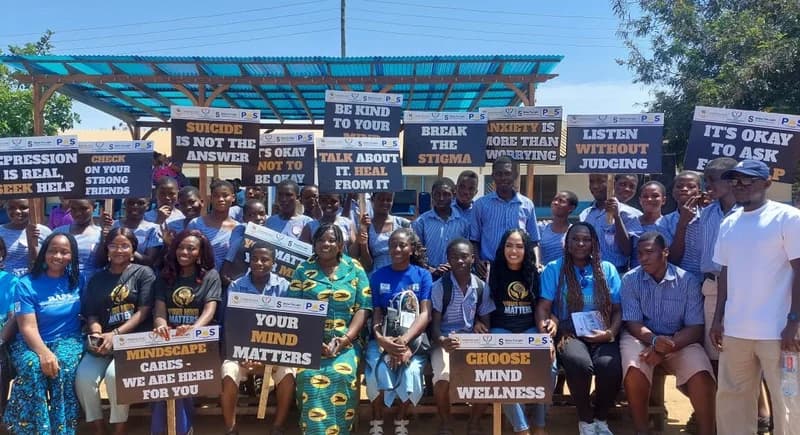
The Ghana Psychological Association (GPA) is advocating for a significant shift in the country's mental health sector by urging the inclusion of individuals with lived experience in the design of policies and service delivery. This call, made in observance of World Mental Health Day, emphasizes that those who have navigated mental health challenges should be viewed as essential contributors rather than passive recipients of care. The association believes that integrating these perspectives is vital to evolving the current healthcare framework into one that is more responsive to the actual needs of patients.
Data highlighting the urgency of this intervention suggests a significant mental health burden across the country. A recent survey cited by the GPA revealed that 32.2% of adults aged 18 to 69 screened positive for probable depression, a figure that underscores the widespread nature of psychological distress in Ghana. The association, through statements from Dr. Isaac Newman Arthur, noted that involving people with firsthand experience will help create more compassionate and culturally appropriate care models that better resonate with the Ghanaian population's unique social context.
Despite the high prevalence of mental health conditions, the GPA pointed out that significant barriers continue to hinder effective treatment. Stigma remains a primary obstacle, often preventing individuals from seeking help, while the financial cost of psychological services creates a heavy burden for many families. By bringing individuals with lived experience into the decision-making process, the association argues that the systemic issues of accessibility and affordability can be addressed more effectively through their unique insights into the barriers they have personally faced.
Moving forward, the GPA is calling on all stakeholders, including the government and civil society, to support collective efforts to promote mental health awareness. The association advocates for early intervention and encourages open discussions within society to dismantle the shame often associated with mental illness. The ultimate goal is to build a healthcare environment where psychological support is readily available, affordable, and sensitive to the cultural and economic realities of all Ghanaians.