••
Parliament approves ratification of African Disability Rights Protocol
•2 min read•2 sources
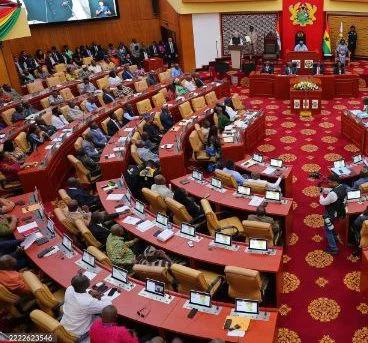
Ghana’s Parliament has officially approved a resolution to ratify the African Disability Rights Protocol, marking a significant step toward enhancing the rights and protections of persons with disabilities (PWDs). The adoption of this protocol is intended to provide a robust legal framework that promotes inclusion, equality, and the full participation of PWDs in all aspects of national life, aligning Ghana’s domestic laws with continental human rights standards.
The move was warmly welcomed by the Network of Women with Disabilities, Africa (NEWDA), which described the parliamentary approval as a vital milestone for disability rights in the country. NEWDA, led by conveners committed to women’s leadership in the sector, noted that the protocol addresses specific vulnerabilities faced by women and girls with disabilities. However, the group also urged the government to move swiftly to complete the remaining administrative steps required for full ratification to ensure the protocol becomes legally binding.
Advocacy groups are now focusing on the practical application of the protocol, emphasizing the need for a dedicated and well-funded implementation framework. This framework is considered essential for achieving the protocol's objectives, particularly in the areas of inclusive education, accessible healthcare, and fair economic opportunities. Leaders within the disability community stressed that without adequate funding and a clear roadmap, the protocol's provisions might remain aspirational rather than transformative for the daily lives of PWDs.
As Ghana joins other African Union member states in adopting this instrument, the focus shifts toward ensuring that national policies are harmonized with the protocol’s requirements. Proponents of the move believe that effective implementation will help dismantle systemic barriers and foster an environment where individuals with disabilities can contribute fully to Ghana's development. Ongoing collaboration between the government, civil society, and international partners will be crucial in turning these legal commitments into reality.