••
Parliament's Health Committee seeks malaria budget in District Assembly Fund
•2 min read•1 source
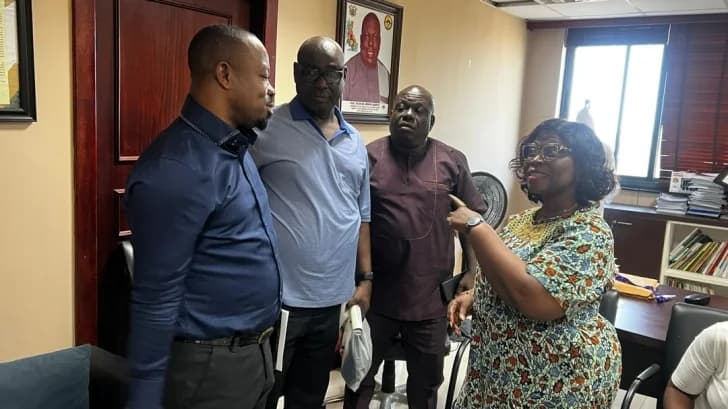
Members of Parliament’s Health Committee have committed to advocating for a dedicated budget line for malaria elimination within the country's public financial frameworks. The committee is pushing for a specific allocation to be included in the District Assembly Common Fund (DACF) or the National Health Insurance Scheme (NHIS), ensuring that malaria interventions receive consistent and ring-fenced funding. This move aims to replicate the success of similar dedicated allocations, such as those provided for persons with disabilities.
The commitment follows a closed-door meeting between the committee and Hope for Future Generations (HFFG), a non-governmental organisation focused on malaria eradication. During the session, legislators expressed significant concerns over existing funding and monitoring gaps, particularly regarding indoor residual spraying (IRS) contracts. They argued that a lack of financial oversight and specific budget items often hinders the effective execution of local malaria control programs.
Beyond just securing funds, the MPs highlighted the need to address administrative bottlenecks that delay the approval and disbursement of health budgets. They committed to advocating for greater involvement of local government structures in the management of malaria programs. By decentralising these efforts and ensuring funds reach the district level without delay, the committee believes the national goal of malaria elimination can be achieved more efficiently.
The push for a dedicated budget line represents a strategic shift toward domestic resource mobilisation for health. As international donor support fluctuates, the committee emphasized that Ghana must take greater responsibility for financing its own malaria interventions. The meeting concluded with a pledge to streamline budgetary processes and secure the sustainable domestic investment necessary to eliminate the disease as a public health threat.