••
Ghana’s Coastal and Agricultural Livelihoods Under Threat: CSOs and Farmers Demand Government Intervention Over Resource Exploitation
•3 min read•4 sources
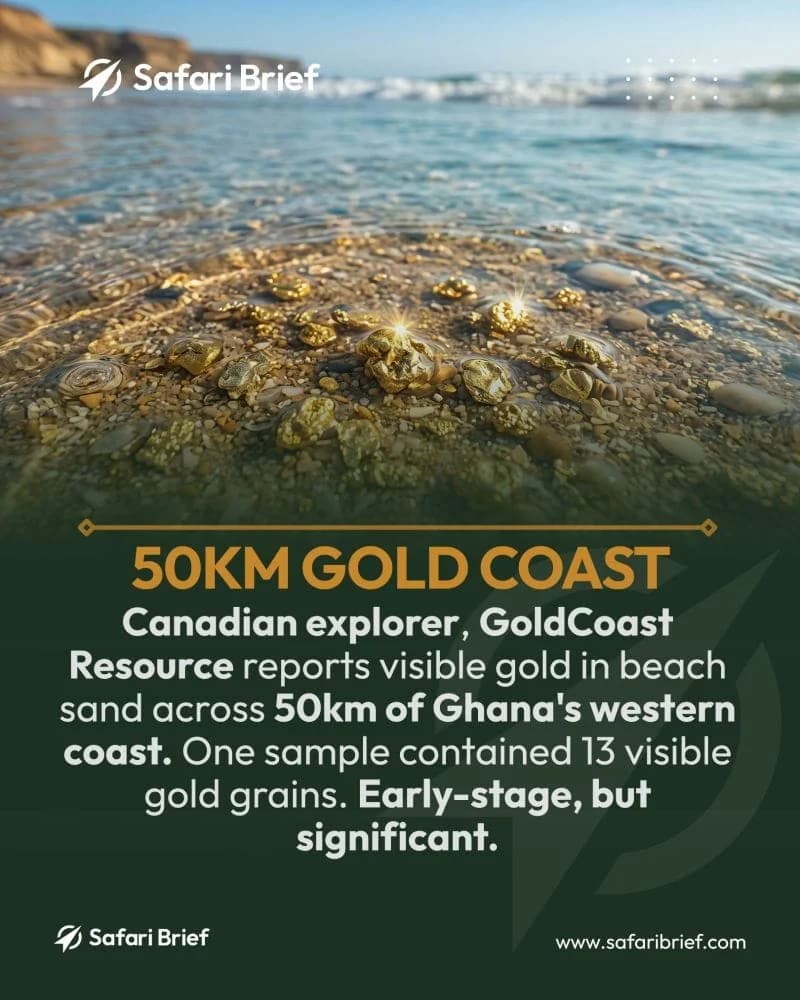
The National Fisheries Association of Ghana (NAFAG) and a coalition of 51 civil society organizations (CSOs) have called on the government to immediately suspend an offshore gold exploration licence granted to Gold Coast GRC Ghana Ltd. The licence covers approximately 10,000 square kilometres along the country’s continental shelf, sparking fears of irreparable damage to marine habitats and the Inshore Exclusion Zone. NAFAG and the CSOs, led by HELP Foundation Africa, argue that the exploration could devastate fisheries resources and the livelihoods of coastal communities. They have petitioned President John Mahama to intervene, demanding clarity on the consultation process and insisting on rigorous assessments before any further activity proceeds.
Adding to the technical concerns, maritime expert Dr. Samuel Dotse has highlighted the inadequacy of Ghana’s current regulatory framework, which he notes is largely designed for terrestrial mining rather than marine environments. He proposed the establishment of an Inter-Agency Marine Environmental Assessment Mechanism to ensure coordinated oversight and environmental protection. The coalition emphasizes that while the state has a sovereign right to explore mineral resources, this must be balanced against the legal obligation to protect marine biodiversity and the existing Fisheries and Aquaculture Act, 2025. The debate has shifted from the feasibility of extraction to the necessity of responsible governance that prioritizes ecological integrity over immediate industrial gain.
While tensions rise along the coast, a similar crisis of resource exploitation is unfolding in the Central Region, where over 700 farmers in Agona Kwesi Twikrom have lost their livelihoods. An investor seeking to establish a pineapple plantation reportedly used bulldozers and armed guards to clear 250 acres of productive farmland containing cocoa, coconut, oranges, and maize. Local elders allege that two members of the Yogo No2 Family sold the land without the broader family’s consent, leading to the destruction of crops that sustained hundreds of households. The community was left in shock, with reports circulating that an 82-year-old woman died from the trauma of losing her coconut plantation.
The affected farmers have joined the chorus of voices appealing to President John Mahama for justice and compensation. They allege that the land clearance was protected by individuals in military uniforms and that local police failed to halt the destruction. The spokesperson for the farmers, Mr. Albert Quainoo, emphasized the dire financial straits now facing the community, including many widows and elderly residents who have no other source of income. They are calling for a full investigation into the legality of the land sale and the methods used by the investor’s security team.
These concurrent disputes in the maritime and agricultural sectors highlight a growing national tension between large-scale investment and the protection of local livelihoods. Whether in the depths of the ocean or the fertile lands of the Central Region, the demand for transparency, legal compliance, and social justice remains the central theme. As the government navigates these challenges, the outcome of the petitions to President Mahama will serve as a critical indicator of how the current administration intends to balance economic development with the preservation of Ghana’s environmental and human resources.
Related topic
John Mahama: Latest News & Updates →Live rates
Ghana gold price →