Anansi News
HomeBriefsAnalysisAsk Ghana
•
•

Stay Informed

Get AI-curated news briefs from Ghana delivered to your inbox every morning. Free forever, no spam.

Explore

  • Home
  • Briefs
  • About

Categories

  • Politics
  • Business
  • Sports
  • Entertainment
  • Africa

Features

  • Analysis
  • Cedi Rates
  • Dollar to Cedi
  • Ghana Gold Price
  • BoG Policy Rate

Topics

  • Armed Forces Recruitment
  • WAEC Results & News
  • Nana Ama McBrown
  • NDC News
  • All Topics

Legal

  • Privacy Policy
  • Terms of Service
Anansi News© 2026. All rights reserved.
Made withfor Ghana
health

Medical Experts Call for Professional Oversight as Obesity Emerges as Significant Health Threat in Ghana

2 days ago•2 min read•1 source
Medical Experts Call for Professional Oversight as Obesity Emerges as Significant Health Threat in Ghana
  1. Home
  2. /Health
  3. /Medical Experts Call for Professional Oversight as Obesity Emerges as Significant Health Threat in Ghana

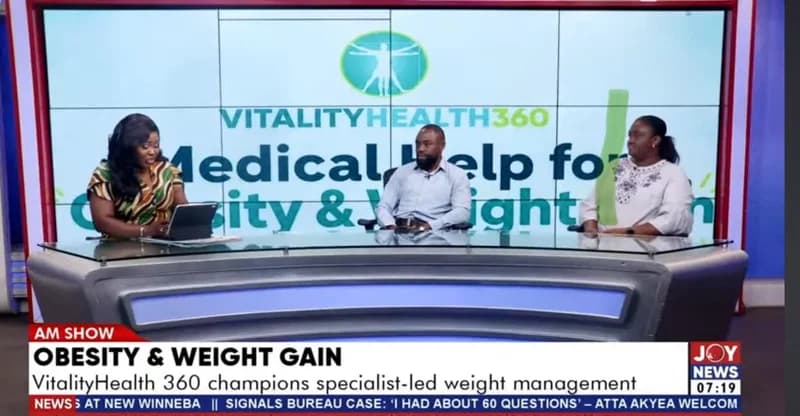
Obesity must be recognized as a serious medical condition rather than a simple cosmetic concern, according to leading health experts. Speaking on the complexities of weight management, professionals from Vitality Health 360 have cautioned the public against the growing trend of unsupervised dieting and unverified weight-loss methods. They emphasize that managing weight effectively requires a nuanced, medically-informed approach to prevent long-term health complications that often arise from improper self-treatment.

Dr. Rex Kwame Bonsu and nurse Ozwella Yeboah highlighted the severe risks associated with excess weight, specifically its role in the development of non-communicable diseases. Conditions such as hypertension and diabetes are increasingly linked to obesity, making it a critical public health issue in the contemporary landscape. The experts pointed out that because obesity profoundly affects internal health and metabolic function, it necessitates a formal medical assessment before any significant intervention is undertaken. This clinical assessment helps identify underlying biological factors that might make traditional dieting alone ineffective for certain individuals.

A major concern raised by the Vitality Health 360 team is the rising reliance on unverified diets or "miracle" weight-loss injections without professional supervision. Such methods often fail to address the specific physiological needs of the individual and can lead to adverse health outcomes or metabolic imbalances. Instead, the experts advocate for personalized treatment plans tailored to a patient’s unique medical history. By utilizing comprehensive assessments, healthcare providers can design strategies—whether for weight loss or gain—that align with the body's specific requirements and ensure progress is both safe and sustainable.

Ultimately, the shift toward viewing weight management as a clinical necessity is vital for improving national health outcomes and reducing the burden of chronic illness. The experts suggest that sustainable results are only achievable when professional guidance is integrated into lifestyle changes. For those struggling with weight issues, the recommended path forward involves seeking accredited medical consultation to develop a holistic plan that goes beyond the scale, focusing instead on long-term wellness and the prevention of life-threatening diseases.

Our Take

From the Team

Coming Soon

Our team will add key insights, trends, and actionable takeaways to help you stay informed faster.

This story touches markets covered on Anansi Intelligence ↗.

More from health

Continue exploring similar stories

Dietitian Selma Gbolonyo-Cass and Health Experts Promote Balanced Local Diets and Specific Foods for Improved Blood Sugar and Sleep Quality
health|2 days ago

Dietitian Selma Gbolonyo-Cass and Health Experts Promote Balanced Local Diets and Specific Foods for Improved Blood Sugar and Sleep Quality

Ghanaian nutrition experts are advocating for a return to traditional dietary foundations, emphasizing that local staples like waakye and banku are inherently healthy when managed with proper portion control. Selma Gbolonyo-Cass, a Registered Dietitian, recently highlighted that the key to a nutritious lifestyle lies in the 'healthy plate model' rather than adopting foreign dietary trends. Speaking on The Healthy Living Project, she explained that by filling half a plate with vegetables and dividing the remaining half between carbohydrates and proteins, Ghanaians can enjoy their favorite traditional meals while maintaining optimal health and preventing chronic conditions. Beyond the structure of main meals, specific food choices play a critical role in managing physiological responses such as blood sugar levels. Nutritionists note that while fruits like apples and pears are often feared for their sugar content, they are actually vital for glucose regulation due to their high fiber and polyphenol content. Research suggests that consuming these fruits—particularly with their skins intact and ideally before a carbohydrate-heavy meal—can significantly slow digestion and mitigate blood sugar spikes. While pears offer slightly more fiber and apples provide unique antioxidants like pectin, both are considered equally effective tools for blood sugar management when integrated into a balanced diet. Dietary choices also extend their influence into the night, directly affecting sleep quality through the intake of specific amino acids and minerals. Experts recommend incorporating eight key foods into evening routines to enhance rest: tomatoes and tart cherries for their natural melatonin; nuts, seeds, and turkey for sleep-supporting tryptophan and magnesium; and kiwis, which are rich in serotonin. Other beneficial options include dark leafy greens, eggs, and edamame, all of which contain B vitamins and iron that help the body fall and stay asleep. These nutrient-dense options provide a natural alternative for those struggling with insomnia or poor sleep hygiene. Ultimately, the synthesis of traditional portion-controlled meals, mindful fruit consumption, and sleep-promoting snacks forms a comprehensive approach to modern wellness. By focusing on the nutritional value of readily available local ingredients and understanding how different foods interact with the body's internal systems, individuals can take proactive steps toward long-term health. The consensus among dietitians is clear: achieving a healthy lifestyle is less about restriction and more about the informed, balanced preparation of the foods we eat every day.

GMTF Administrator Commends NHIA Director-General Dr. Victor Bampoe on Fund’s First Anniversary Success
health|2 days ago

GMTF Administrator Commends NHIA Director-General Dr. Victor Bampoe on Fund’s First Anniversary Success

Adjoa Obuobia Darko-Opoku, the Administrator of the Ghana Medical Trust Fund (GMTF), has officially commended the Director-General of the National Health Insurance Authority (NHIA), Dr. Victor Asare Bampoe, for his instrumental role in the successful launch and growth of the Fund. Speaking during the GMTF’s first-anniversary celebrations, Darko-Opoku emphasized that the Fund's early milestones would not have been possible without the strategic support and leadership provided by the NHIA under Dr. Bampoe's guidance. This collaboration has been central to the organization's mission of enhancing specialized healthcare access for Ghanaians. The Administrator highlighted the vital contribution of NHIA staff who were seconded to the GMTF during its critical formative stages. These experienced professionals provided the technical expertise and institutional knowledge necessary to overcome the complex hurdles associated with setting up a national medical trust. Darko-Opoku noted that the dedication and invaluable experience of these personnel served as a cornerstone for the GMTF, allowing the organization to establish robust operational frameworks quickly and efficiently despite the challenges inherent in a new institution. The GMTF was established with a clear mandate to improve access to specialized healthcare services that often fall outside the standard scope of primary care. In its first year, the Fund has already initiated several interventions and formed key partnerships aimed at reducing the financial burden on patients requiring advanced medical treatments. The synergy between the NHIA and GMTF represents a significant step in the national strategy to create a more comprehensive and resilient healthcare system that addresses the needs of all citizens. As the GMTF enters its second year, the focus remains on scaling its interventions and strengthening its institutional capacity to serve more beneficiaries. The successful partnership between the NHIA and GMTF is being viewed as a blueprint for effective inter-agency cooperation within the health sector. Moving forward, the Fund aims to expand its reach and solidify its role in ensuring that specialized medical care becomes more accessible and affordable, contributing to the long-term goal of universal health coverage.

Christian Council of Ghana Urges Move Toward Sustained Sanitation Strategy to Mitigate Public Health Risks
health|2 days ago

Christian Council of Ghana Urges Move Toward Sustained Sanitation Strategy to Mitigate Public Health Risks

The Christian Council of Ghana has issued a strong call for a permanent shift in the nation's approach to sanitation, moving away from reactive measures triggered by natural disasters toward a consistent, long-term strategy. Speaking at the launch of the Second Ecumenical Convention, Vice Chairman Right Reverend Abraham Nana Opare Kwakye emphasized that the country must stop waiting for devastating floods to occur before initiating large-scale clean-up exercises. He argued that a proactive culture of cleanliness is essential to safeguard the wellbeing of all citizens. Reverend Kwakye acknowledged the recent efforts led by President John Dramani Mahama, who spearheaded a nationwide clean-up campaign following a series of floods. While the Christian Council praised the President's prompt response to the emergency, the Vice Chairman cautioned that sanitation must become an ingrained national habit rather than a sporadic reaction to crisis. He warned that the current cycle of neglect followed by emergency intervention is unsustainable and fails to address the underlying causes of urban waste management issues. Highlighting the consequences of inaction, the Council warned that intermittent sanitation efforts pose significant public health risks and contribute to environmental degradation. By failing to maintain drainage systems and manage waste during dry periods, the nation remains vulnerable to preventable disease outbreaks and infrastructure damage during the rainy season. Reverend Kwakye urged citizens and local authorities alike to adopt a proactive mindset, ensuring that cleanliness remains a priority throughout the year rather than just an emergency response. As the Second Ecumenical Convention sets its sights on broader social responsibilities, the Christian Council's stance underscores the intersection of civic duty and environmental stewardship. The call serves as a reminder to the government and the public that the true measure of success in sanitation lies in the prevention of disasters rather than the efficiency of the cleanup that follows. Moving forward, the Council hopes to see the integration of regular sanitation protocols into the nation's development agenda to protect both public health and the environment.

Professor Mathew Yamoah Kyei Urges Ghanaian Men Over 40 to Prioritize Prostate Cancer Screening
health|2 days ago

Professor Mathew Yamoah Kyei Urges Ghanaian Men Over 40 to Prioritize Prostate Cancer Screening

Professor Mathew Yamoah Kyei, a prominent Consultant Urologist, has issued a formal call for Ghanaian men aged 40 and above to incorporate regular prostate cancer screenings into their annual health routines. Speaking at the launch of the 2026 Prostate Cancer Awareness Month in Accra, Prof. Kyei emphasized that early detection remains the most effective strategy for reducing mortality rates associated with the disease. He noted with concern that a significant number of men in Ghana delay seeking medical consultation until the cancer has reached an advanced stage, which severely complicates treatment options and reduces the likelihood of successful outcomes. Statistical data provided during the launch highlights a troubling trend in the national fight against the disease. According to Prof. Kyei, the median age for a prostate cancer diagnosis in Ghana is currently 68, with the highest incidence of cases occurring among men between the ages of 60 and 69. While general awareness of the condition is remarkably high—with approximately 87% of men being informed about the disease—there remains a stark disparity between knowledge and action. Only 22% of men have ever undergone a prostate-specific antigen (PSA) test, which is the standard blood screening tool used to detect early biological markers of the cancer. To bridge this "screening gap," Prof. Kyei advocated for the mandatory inclusion of PSA tests in annual health check-ups for all men over the age of 40. Beyond individual responsibility, he called for systemic improvements to Ghana's healthcare infrastructure, including enhanced access to screening and specialized treatment options across all regions. The urologist specifically highlighted the need for stronger health insurance support to alleviate the financial burden on patients, suggesting that medical approaches and insurance policies must be innovated to reflect the specific socio-economic realities of the Ghanaian population. The launch of the 2026 awareness month serves as a critical reminder that prostate cancer is manageable if caught in its infancy. Prof. Kyei urged men not to wait for physical symptoms to appear before consulting a healthcare professional, as early-stage prostate cancer often presents without obvious warning signs. By moving from passive awareness to active clinical prevention, the medical community aims to significantly lower the death toll and ensure that more Ghanaian men can access life-saving interventions before the disease progresses to an untreatable state.

All
africa
business
education
entertainment
health
news
politics
sports
technology