••
Ghana advances nuclear energy plans with ACP100 Small Modular Reactors
•2 min read•1 source
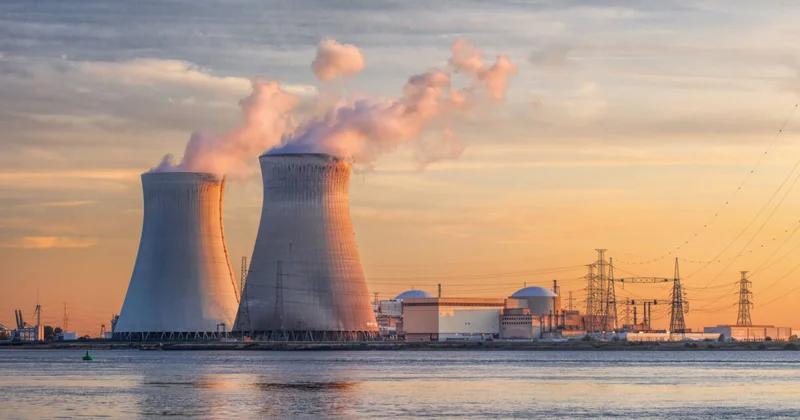
Ghana has transitioned to Phase 2 of the International Atomic Energy Agency’s (IAEA) Milestones Approach, signaling a significant step toward integrating nuclear power into the national energy mix. This phase involves establishing the necessary legal, regulatory, and institutional infrastructure to manage a safe and sustainable nuclear program. The government is specifically focusing on the deployment of Small Modular Reactors (SMRs), with the ACP100 model developed by the China National Nuclear Corporation (CNNC) emerging as a primary candidate for the country’s energy needs.
The ACP100 reactor is a multipurpose modular pressurized water reactor designed to offer flexible generating capacities and enhanced safety features. Unlike traditional large-scale nuclear plants, SMRs can be located closer to industrial centers, making them ideal for the government’s industrialization agenda. A key advantage of this technology is its capacity for cogeneration, which produces both electricity and high-temperature industrial steam. This dual output is particularly vital for energy-intensive sectors such as bauxite refining and gold processing, which require consistent thermal energy to operate efficiently.
By adopting nuclear technology, Ghana aims to diversify its energy sources and reduce its dependence on fossil fuels, which are often subject to price volatility. The integration of SMRs into the national grid is expected to provide a stable, low-carbon base-load of electricity to support long-term economic growth. This strategic move is intended to stabilize energy costs for domestic industries, ensuring they remain competitive while contributing to the nation’s broader climate and sustainability commitments. As Phase 2 progresses, the focus will remain on site evaluations and the selection of technical partners to bring the nuclear program to fruition.
Live rates
Ghana gold price →