••
West African Sports Figures Reflect on Career Legacies, Market Valuations, and Humble Beginnings
•3 min read•3 sources
Professional sports and athletic journeys across West Africa are increasingly defined by a blend of shifting economic realities and deep-seated personal histories. Recently, prominent figures from Nigeria and Ghana have shared narratives that span the spectrum of the sporting experience—from the high-stakes valuations of modern European football to the grassroots courts of Northern Nigeria and the prestigious halls of military leadership. These reflections provide a unique look at how sports serve as a foundational pillar for both personal development and regional identity.
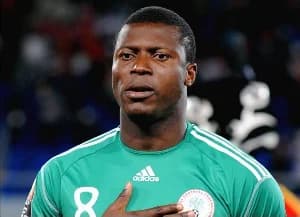
Former Nigerian Super Eagles striker Yakubu Ayegbeni has sparked significant discussion by asserting that his market value would reach a staggering €150 million in today’s football economy. Speaking on the AY Suga Channel, the prolific forward reflected on his successful career and the immense pressure associated with modern, high-value transfer fees. Yakubu, renowned for his clinical finishing during his tenure in the English Premier League, suggested that while player valuations have inflated drastically, the core challenges of performing under the weight of such figures remains a defining characteristic of the professional game.
In a similar vein of career reflection, Ghana’s Chief of Defence Staff, Lieutenant General William Agyapong, recently shared an inspiring account of his own connection to the sporting world. Long before his rise through the military hierarchy, Lieutenant General Agyapong served as a ball boy at El-Wak Stadium. He and his childhood friends took on this role in preparation for the 1978 African Cup of Nations (AFCON) hosted in Accra. His transition from the stadium touchlines to the highest office in the Ghana Armed Forces highlights the discipline and community roots often fostered by local sports culture during formative years.
While some reflect on professional heights, others continue to navigate the challenges of access and representation. In Northern Nigeria, Khamila Sani Ibrahim has opened up about the difficulties of pursuing basketball in Kano State, where organized sports for girls have traditionally been scarce. Ibrahim described the rarity of seeing young women on the court and the delicate balance required to maintain her passion while fulfilling traditional family obligations during school holidays. Her journey represents a growing movement of female athletes in the region who are determined to chase larger ambitions despite cultural and systemic barriers.
Together, these accounts provide a multi-faceted view of the African sporting landscape. Whether viewed through the lens of a multi-million euro valuation, a transition from the pitch to national service, or the quiet defiance of a female athlete in Kano, sports remain a primary vehicle for social mobility and self-expression. These stories not only celebrate individual achievements but also emphasize the need for continued investment in the infrastructure and opportunities available to the next generation of West African talent.
Live rates
Euro to cedi rate →