••
Neurology Society of Ghana calls for more specialists to treat stroke
•2 min read•1 source
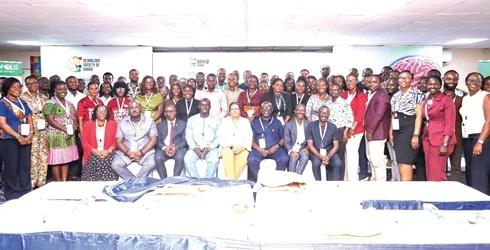
The Neurology Society of Ghana (NSG) has called for an urgent increase in the training of neurologists and other healthcare professionals to address the rising burden of neurological diseases in the country. Speaking at the society's annual conference in Accra, NSG President Professor Albert Akpalu revealed that while the number of neurologists in Ghana has grown from a single practitioner in 2004 to approximately 20 today, this figure remains inadequate for a population facing high rates of stroke and epilepsy.
Professor Akpalu stressed that the complexity of neurological care necessitates a transition toward multidisciplinary stroke units. These specialized facilities would provide comprehensive, integrated care, which is critical for improving patient outcomes and reducing the long-term impact of brain-related ailments. The society is pushing for these units to be established in major hospitals to ensure that patients receive the specific, intensive attention required during the acute phases of a stroke.
Contributing to the discussion, the Ghana Health Service (GHS) noted the current absence of specific national policies targeting neurological health. A GHS Deputy Director indicated that the NSG’s ongoing initiatives could provide the necessary data and structure to help the government formulate effective policies. In the interim, the GHS is deploying telemedicine services to bridge the gap between urban specialists and underserved rural communities, ensuring that distance does not remain a barrier to expert neurological consultation.