••
Health Committee MPs advocate for dedicated malaria budget line
•2 min read•1 source
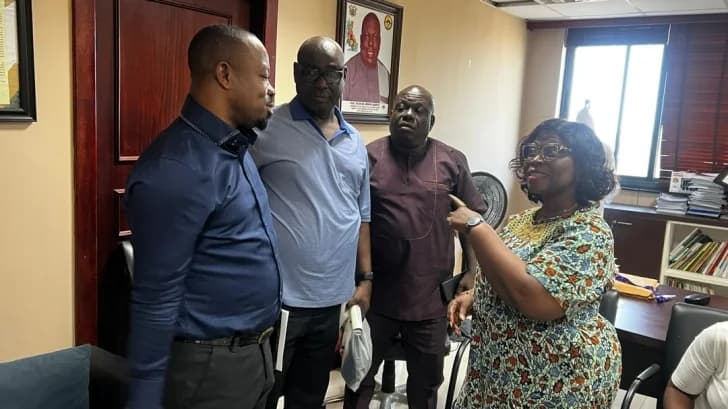
Members of Parliament’s Health Committee have committed to intensifying advocacy for a dedicated budget line specifically for malaria elimination. The move follows a closed-door meeting with Hope for Future Generations (HFFG), a non-governmental organisation focused on health and malaria eradication. The lawmakers aim to address persistent funding gaps that have slowed the country's progress toward achieving a malaria-free status. During the engagement, committee members suggested that malaria funding should be established as a specific line item within the District Assembly Common Fund (DACF) or the National Health Insurance Scheme (NHIS). This proposal draws inspiration from the existing financial structures for persons with disabilities, which ensure a guaranteed percentage of funds are directed toward specific social needs. MPs argued that such a mechanism would provide the stability required for long-term health planning at the local level. A primary concern raised during the discussions was the management of indoor residual spraying (IRS) contracts. Lawmakers identified significant monitoring and funding deficiencies in current IRS programmes, noting that delays in budget approvals and the subsequent disbursement of funds often disrupt essential interventions. They emphasized that without streamlined financial processes, even well-designed eradication strategies would struggle to achieve their targets. To conclude the meeting, the Health Committee pledged to push for increased domestic resource mobilization to reduce Ghana's reliance on external donor support for health. The MPs committed to championing greater involvement of local government authorities in malaria control programmes to ensure interventions are properly managed on the ground. By securing a predictable funding stream, the committee hopes to enhance the overall effectiveness of the national response to malaria.