••
Mothers report chronic health trauma from post-childbirth injuries
•2 min read•1 source
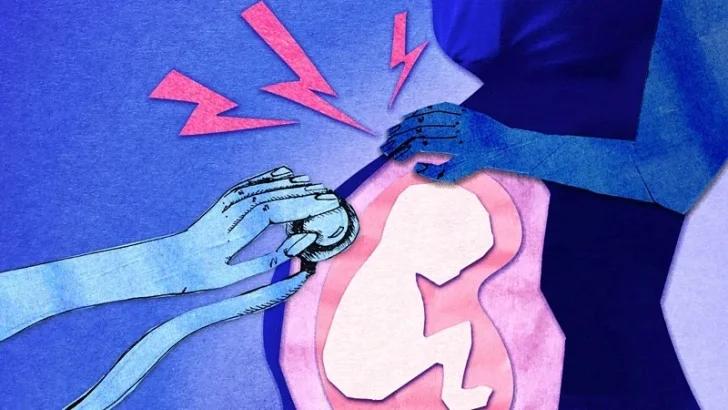
Many women in Ghana are grappling with long-term physical and mental health complications following childbirth, often suffering in silence due to systemic neglect within the maternal healthcare sector. Despite the increasing frequency of cesarean sections, a growing number of mothers are reporting chronic pain, incontinence, and enduring emotional trauma that persists years after delivery. This trend has prompted urgent calls for a shift in postnatal care, as advocacy groups highlight the gap between clinical survival and the long-term quality of life for mothers. The rise in cesarean section rates and complex deliveries has brought about a significant increase in childbirth-related injuries that are frequently overlooked by the formal healthcare system. Women have described the debilitating effects of issues such as pelvic organ prolapse and reproductive tract trauma, which can lead to social isolation and psychological distress. In many cases, these physical ailments are accompanied by a lack of adequate counseling or specialized medical follow-ups, leaving mothers to navigate their recovery without professional guidance. The stigma surrounding conditions like incontinence often prevents women from sharing their experiences, even with their closest support networks. Personal testimonies from affected mothers emphasize a culture of neglect where the healthcare system prioritizes the survival of the infant over the holistic well-being of the mother. While some have managed to access specialized support through physiotherapy or peer-led community groups, these resources are not universally available or integrated into standard postnatal protocols. Health advocates argue that the current maternal care model is insufficient if it does not address the injuries that fundamentally alter a woman’s life after she leaves the hospital. To address these challenges, experts are calling for a restructuring of postnatal care to include routine screenings for physical and mental birth trauma. This would involve training healthcare providers to recognize the signs of chronic post-childbirth conditions and expanding access to affordable physiotherapy and mental health services. By fostering an environment where mothers feel empowered to speak about their health challenges, the healthcare system can begin to bridge the gap in maternal care and ensure that recovery from childbirth is both comprehensive and compassionate.

