••
Ghana Proposes New Mining Bill to Enhance State Control Amid Infrastructure and Security Investments by Newmont and Zijin
•3 min read•3 sources
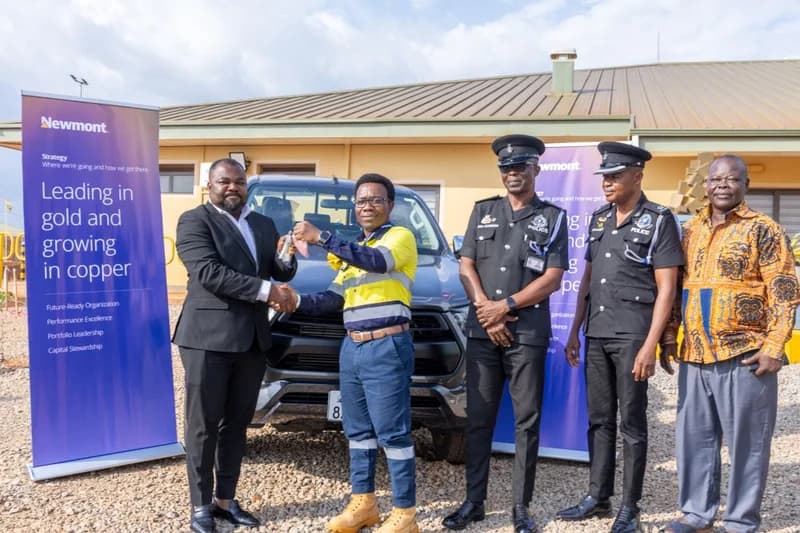
Ghana’s mining sector is entering a period of significant regulatory and social transformation, marked by the introduction of the new Minerals and Mining Bill, 2026. This proposed legislation aims to tighten government oversight by granting the Minister of Mines the authority to require mining companies to issue a special share to the state. This special share would provide the government with consent rights over critical business decisions, representing a major shift in how the state interacts with the industry. As this policy debate unfolds, major mining firms are continuing to deepen their ties with local communities through significant social investments and security support. In the Tano North Municipality, Newmont’s Ahafo North Mine recently demonstrated this commitment to local stability by donating a Toyota Hilux pick-up truck valued at GHc510,967 to the Ghana Police Service. Charles Bissue, General Manager of Ahafo North, emphasized that the donation is intended to bolster security operations, noting that safety is a foundational requirement for sustainable community development. The Tano North Municipal Chief Executive, Hon. Pius Opoku, acknowledged the significance of the gift, stating that it will enhance police responsiveness to security concerns within the mining enclave and surrounding areas. This collaboration between private industry and the state security apparatus highlights the ongoing focus on operational safety. Parallel to these security efforts, traditional leadership is pushing for long-term economic benefits and sustainable development from the sector. Oseadeeyo Dr. Frimpong Manso IV, the Omanhene of the Akyem Kotoku Traditional Area, has urged Zijin Mining Company to implement sustainable employment structures for local youth. During a meeting at his palace, the Omanhene emphasized the importance of establishing permanent local infrastructure, including hospitals and universities, and reminded the company of its responsibility regarding land reclamation. In response, Zijin Senior Manager Derek Boateng confirmed that the company has secured approval to operate in the Birim North District until 2042, with plans for increased production capacity and continued support for local royal projects. These developments illustrate a complex landscape for the Ghanaian mining industry, where the central government seeks more direct control over corporate governance while local communities demand deeper social and economic integration. The proposed 2026 Bill represents a potential move toward a more interventionist state model, which will likely influence how international firms like Newmont and Zijin navigate their long-term investments. As production capacities expand across the country, the success of the sector will increasingly depend on the balance between national regulatory frameworks, corporate social responsibility, and the tangible development of mining-host communities.
