••
Ghana’s Mental Health Crisis: The Case of Hafiz Abdallah and Children Growing Up in Prayer Camps
•2 min read•1 source
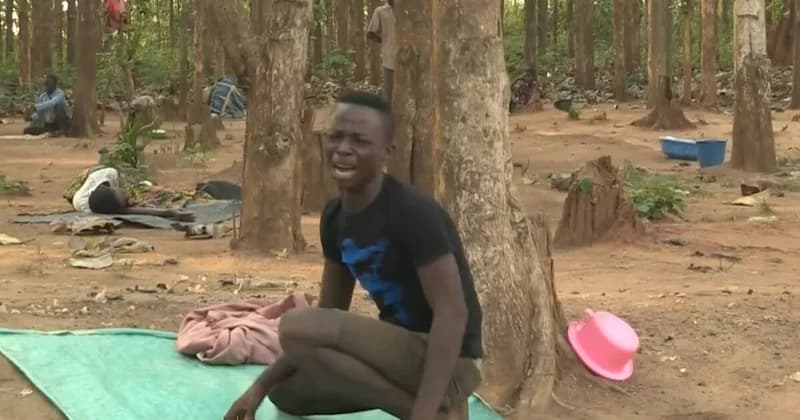
The story of Hafiz Abdallah, a 16-year-old boy who has spent half his life at the Nyinbonya prayer camp, has brought renewed attention to the systemic failures in Ghana’s mental health care system. Hafiz was first taken to the camp at age eight after his mother struggled to manage his increasingly erratic behavior following the death of his twin brother. Now, eight years later, he remains without a formal clinical diagnosis, illustrating a common phenomenon where children with mental health conditions grow up in spiritual centers rather than receiving medical treatment. For many families, these camps are seen as a last resort when financial resources for traditional remedies are exhausted and professional psychiatric services remain inaccessible or misunderstood.
Cultural beliefs in Ghana frequently lead families to interpret mental illness as a spiritual affliction, prompting them to seek intervention from religious leaders rather than clinicians. In Hafiz’s case, his mother turned to the prayer camp after facing significant difficulties managing his outbursts, which sometimes resulted in him being chained to prevent harm. Experts note that the pervasive stigma surrounding mental health, combined with a lack of localized clinical facilities, leaves many parents with few options. This often results in vulnerable children being subjected to methods that clinical professionals find deeply concerning, including forced fasting and prolonged physical restraint.
While Ghana possesses a Mental Health Act intended to protect the rights of the mentally ill and mandate humane treatment, enforcement of these legal protections remains critically weak. Medical experts and child welfare advocates emphasize that behavior seen as 'abnormal' requires a clinical response to identify underlying conditions such as autism, ADHD, or trauma-related disorders. They argue that the current reliance on prayer camps without medical oversight denies children their right to proper healthcare and development, leaving them in a state of 'diagnostic limbo' for years on end.
To address this crisis, there is a growing call for a collaborative approach that integrates mental health services with traditional and religious practices. Clinical experts suggest that instead of sidelining spiritual leaders, the state should provide them with training to recognize mental health symptoms and refer cases to medical professionals. Strengthening the regulation of prayer camps and improving community-based mental health education are essential steps to ensure that children like Hafiz are not left to grow up in confinement, but are instead given the clinical support and humane care necessary for their recovery and well-being.