••
Ghana Maritime Authority pushes for integrated systems to boost port efficiency
•2 min read•1 source
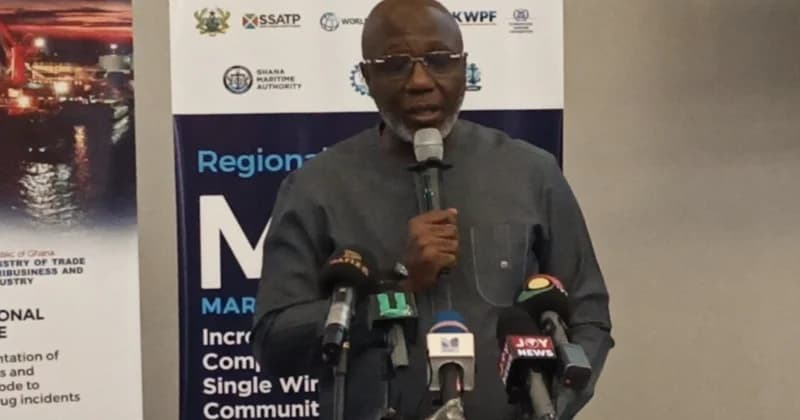
The Ghana Maritime Authority (GMA) has intensified its call for the integration of maritime information systems to enhance trade facilitation and operational efficiency at the nation's ports. Director-General of the GMA, Dr. Kamal-Deen Ali, underscored the urgency of this transition during a recent workshop centered on the implementation of Maritime Single Windows. The push for a unified digital platform comes as the global maritime community prepares for mandatory requirements scheduled to take effect in 2024, aimed at streamlining communication between ships and shore-based authorities. Dr. Ali emphasized that the successful deployment of a Maritime Single Window requires robust collaboration among various stakeholders, including customs, port authorities, and maritime regulators. By centralizing the exchange of information, the proposed system is designed to eliminate the current fragmented approach to data management. This integration is expected to refine port operations, significantly reduce the time spent on administrative processes, and provide a more secure environment for maritime safety and security monitoring. Beyond improving internal efficiencies, the workshop served as a platform for sharing regional experiences and fostering the development of a cohesive maritime information framework. Participants discussed the technical requirements and the necessary policy shifts needed to support a seamless digital interface. The GMA believes that by refining existing systems now, Ghana can avoid the bottlenecks often associated with large-scale technological transitions and ensure that the country remains compliant with international maritime regulations. Looking ahead, the establishment of the Maritime Single Window is viewed as a critical step in modernizing Ghana’s trade infrastructure. The GMA's advocacy reflects a broader commitment to making the nation’s ports more competitive on the global stage by lowering the cost of doing business. As the 2024 deadline approaches, the Authority plans to continue its engagement with both local and international partners to ensure that the integrated framework is fully operational and capable of supporting the evolving needs of the maritime industry.
