••
Ghana Expands Social Safety Nets Amidst Regional Human Rights Concerns and Shifting Food Security
•2 min read•5 sources
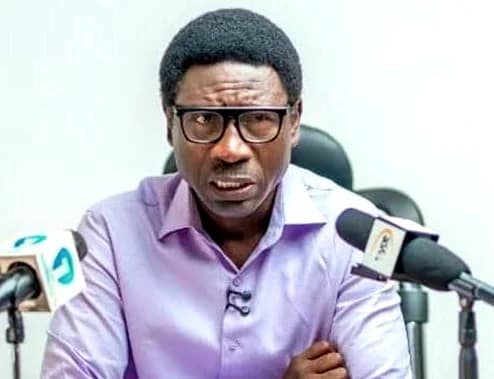
Ghana is significantly bolstering its social protection framework as the Ministry of Gender, Children and Social Protection commences a new payment cycle for the Livelihood Empowerment Against Poverty (LEAP) programme. Aiming to reach 450,000 households, the government’s expanded initiative follows a rigorous reassessment of beneficiaries to ensure aid reaches the most vulnerable. This push for social stability comes as an August 2026 AGRA Food Security Monitor report reveals a mixed economic landscape. While national rice prices remain 10.1% lower than last year, white maize has seen an 8.9% monthly increase. Furthermore, rising fuel costs—with petrol and diesel prices up 29% and 19% respectively since March—continue to place financial pressure on households despite the relative stability of staple food prices.
Parallel to these economic efforts, grassroots and state interventions are tackling deep-seated social issues in Ghana. In late August 2026, the NGO Challenging Heights, working with the Ghana Police's Anti-Human Trafficking Unit, rescued 25 children from forced labor on Lake Volta. The victims, mostly boys aged 6 to 14, were recovered from the fishing industry during an operation timed to coincide with National Children’s Day. The rescue highlights the persistent threat of child trafficking and has prompted renewed calls for the government to increase resources for the Department of Social Welfare to better protect children from exploitation.
Across the region, human rights and governance challenges present a more turbulent picture. In Equatorial Guinea, international concern is mounting over the detention of Ahmed Soliman, an Egyptian man deported from the U.S. who was taken into custody after criticizing police tactics and the treatment of migrants. Meanwhile, in the Democratic Republic of Congo, a state-led sanitation program in Kinshasa has sparked controversy. While former gang members, known as "builders," have been tasked with cleaning the city, they have also been accused of using violent, extrajudicial punishments against citizens, raising significant questions about accountability and human rights within paramilitary-style social programs.
Looking ahead, the convergence of climate risks and political instability threatens to complicate these humanitarian efforts. The AGRA report warns that a strong El Niño could exacerbate food insecurity across West and Central Africa due to variable rainfall and fragile agricultural conditions. As Ghana navigates its social welfare expansion and child protection battles, the broader regional context remains defined by a critical need for judicial oversight and climate adaptation measures to safeguard the rights and livelihoods of vulnerable populations across the continent.

