••
Ghanaian Religious and Traditional Leaders Detail Journeys of Spiritual Transformation Following Profound Personal Loss
•3 min read•3 sources
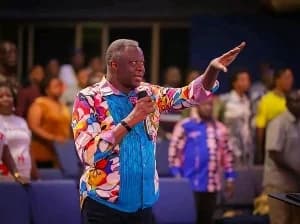
Several prominent Ghanaian figures, including renowned clergy and a traditional ruler, have recently shared harrowing accounts of personal and communal crises that have led to radical shifts in their spiritual lives and leadership. From the tragic loss of children to the theft of a community deity, these narratives highlight a recurring theme of finding new faith or deeper purpose in the aftermath of devastating hardship. These testimonies offer a rare glimpse into the private struggles of public figures and the resilience required to navigate profound life transitions.
Reverend Eastwood Anaba, the founder of Eastwood Anaba Ministries, provided a poignant reflection on a transformative tragedy that redefined his life’s work. In a video address shared in late August 2026, Anaba discussed the aftermath of losing two of his children, an experience he described as losing everything. He stated that the tragedy stripped away his focus on material wealth and public reputation, steering his ministry toward a singular goal of becoming more like Jesus. For Anaba, the loss served as a catalyst to move beyond the pursuit of possessions and status, focusing instead on living strictly according to his spiritual purpose.
In a similarly candid revelation, Apostle Dr. Solomon Oduro opened up about a dark period of mental health struggles following a series of institutional and personal failures. Facing a difficult court case, the loss of his temple, and the end of his marriage to prominent marriage counselor Charlotte Oduro, the Apostle reached a breaking point. He recounted a moment of despair at the Nima Overhead where he questioned God and contemplated suicide. His narrative underscores the intense psychological pressure faced by spiritual leaders during times of litigation and personal upheaval, highlighting the intersection of faith and mental health.
The theme of spiritual transition also extended to the traditional sector in Krobo, where Nana Asa Akonpanin, the Chief of Krobo, took the significant step of dedicating his community’s stool land to Jesus Christ. This decision followed the theft of the town's traditional deity, Ani Koko Bosom. The Chief remarked that the deity's inability to protect itself from thieves prompted the community to reconsider their spiritual foundation. Supported by his people, this transition has reportedly led to an increase in Christian faith and a new focus on development within the area, marking a major shift in the community's cultural identity.
Collectively, these accounts illustrate a landscape where crisis often serves as the catalyst for significant spiritual and structural re-evaluation. Whether through the lens of personal grief, professional loss, or the perceived failure of traditional protections, these leaders are shaping a narrative of resilience that prioritizes spiritual growth over material or traditional security. These testimonies continue to resonate across the country, prompting broader discussions on mental health awareness, the evolution of traditional leadership, and the enduring role of faith in navigating contemporary Ghanaian life.