••
Journalists reflect on a decade of breast cancer reporting in Ghana
•2 min read•1 source
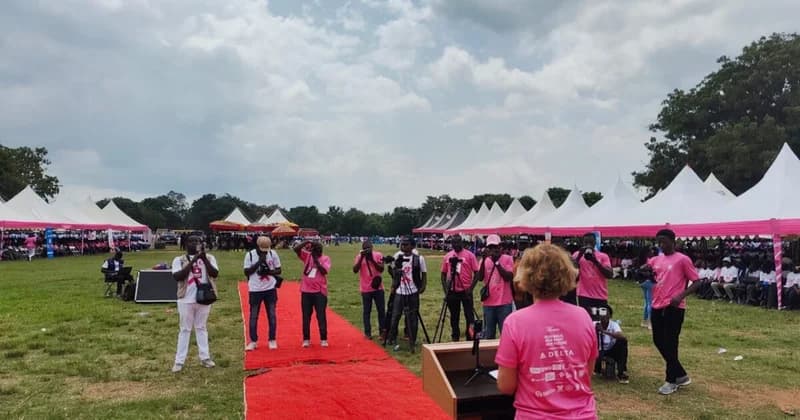
Journalists in Ghana are marking a significant milestone, reflecting on ten years of intensive collaboration with Breast Care International (BCI) to combat breast cancer. This decade-long partnership has focused on dismantling deep-seated myths and reducing the stigma associated with the disease through targeted public education. Media professionals, led by voices such as Francis Appiah, the Deputy News Editor at Otec FM, have highlighted how their reportage has evolved from simple awareness to a complex effort aimed at improving public health outcomes across the nation.
Francis Appiah shared insights from his extensive experience covering BCI’s campaigns, noting a critical shift in how the public perceives breast cancer. He emphasized that the media’s role has been instrumental in educating the public on early detection and the benefits of modern clinical treatment. However, Appiah and his colleagues also pointed out that significant challenges remain, particularly in rural communities where specialized medical care is often inaccessible. Journalist Michael Ofosu-Afriyie further noted that misconceptions about the disease persist, arguing that the focus on breast cancer awareness should not be confined only to the month of October but must be a year-round commitment to be effective.
Dr. Beatrice Wiafe Addai, the President of BCI, echoed these sentiments, stressing that the fight against breast cancer requires a collective and sustained effort. She credited the media for its vital role in influencing public understanding and encouraging women to seek clinical screening rather than relying on unproven alternatives. According to BCI, the synergy between healthcare professionals and journalists has helped reach thousands of individuals who might otherwise have been misled by misinformation or traditional myths.
As the media fraternity looks forward, the call for more consistent outreach and improved medical infrastructure continues to grow. The reflection on the past decade serves as both a celebration of progress and a reminder of the work ahead to ensure that no woman, regardless of her location in Ghana, is left behind in the fight against the disease. Future health communication initiatives are expected to focus more on rural accessibility and the deeper integration of breast health into the broader national health discourse.
