••
Ghana Immigration Service trains 146 officers in weapon safety
•2 min read•1 source
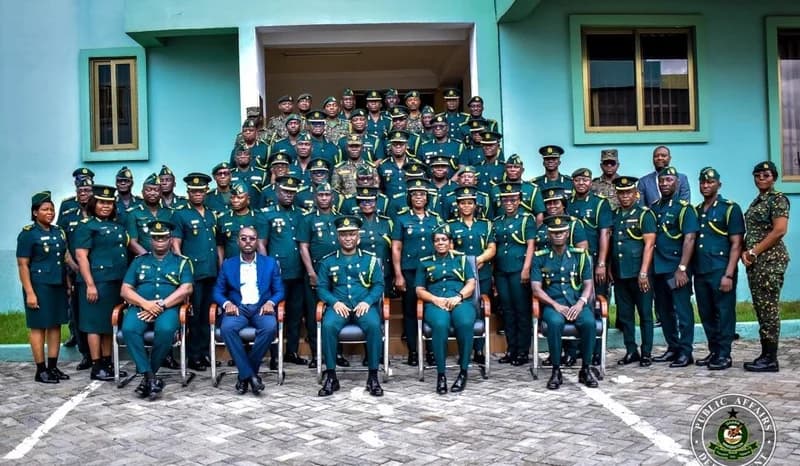
The Ghana Immigration Service (GIS) has concluded a comprehensive two-day training seminar for 146 officers, aimed at strengthening weapon safety and armoury management protocols. Held on October 28 and 30, 2026, the session focused on critical aspects of firearms accountability, including the professional handling, storage, and tracking of weapons. This initiative is part of a broader effort to ensure that personnel are well-equipped to manage the logistics of national security operations with precision and transparency.
Comptroller-General of the GIS, Samuel Basintale Amadu, presided over the seminar, emphasizing that proper weapon management is fundamental to the service’s integrity. He noted that as the GIS continues to expand its mandate within Ghana’s security architecture, the necessity for rigorous inventory control becomes increasingly paramount. The training was supported by a cross-agency collaboration featuring experts from the Ghana Armed Forces, the Ghana Police Service, and the National Commission on Small Arms and Light Weapons.
During the sessions, Deputy Commissioner of Police Isaac K. Asante addressed the potential risks associated with weak inventory controls, highlighting how lapses in accountability could compromise public safety. The curriculum provided officers with practical insights into modern armoury management systems and the legal frameworks governing the use of small arms. By fostering a culture of strict compliance with safety procedures, the GIS aims to mitigate risks and improve the overall efficiency of its tactical units.
This training marks a significant step in the GIS’s ongoing professionalization drive, ensuring that its officers maintain the highest standards of conduct while performing their duties. As regional security challenges evolve, the enhancement of firearms accountability is expected to bolster the service's capability to secure Ghana's borders and contribute effectively to joint national security efforts. The GIS intends to continue such specialized training programs to keep pace with global best practices in security management.
