••
Ghana receives 62 tonnes of illicit mercury annually for artisanal mining
•2 min read•3 sources
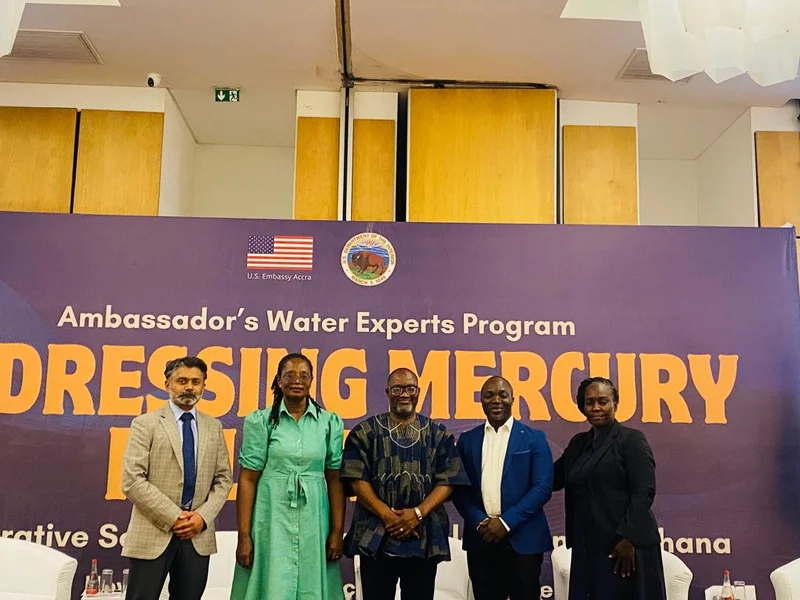
Ghana is currently grappling with a significant environmental and public health threat as reports reveal that between 42.5 and 62 tonnes of mercury enter the country annually through illicit channels. This mercury is primarily destined for use in artisanal and small-scale gold mining (ASGM), a sector that provides livelihoods for millions but poses severe risks to the nation's ecosystem. Experts revealed these figures during a symposium, highlighting the urgent need for intervention to curb the flow of the toxic metal into mining communities across the country.
Dr. Sylvester Akpah noted that approximately 2.5 million Ghanaians depend directly or indirectly on small-scale mining for their survival. However, the reliance on mercury in gold extraction has led to widespread contamination, particularly in the Western, Ashanti, Eastern, and Central regions. These areas are seeing critical levels of mercury pollution in water bodies and soil, endangering both the miners and the general population through environmental exposure and the food chain. The health risks associated with mercury include neurological disorders and damage to vital organs, making the situation a national priority.
Despite Ghana’s status as a signatory to the Minamata Convention, which aims to regulate and reduce mercury pollution globally, local enforcement remains a persistent challenge. The convention provides a framework for managing the toxic substance, yet the porous nature of illegal supply chains has undermined efforts to phase out its use. Experts at the recent symposium emphasized that the current regulatory framework needs strengthening through improved surveillance at borders and within mining hubs to identify and dismantle the networks facilitating the illicit trade of mercury.
To mitigate the long-term impact, participants called for the adoption of mercury-free alternative technologies that are both efficient and affordable for small-scale miners. There is also a pressing need to enhance local capacities for monitoring pollution and to deepen the understanding of how mercury interacts with the Ghanaian environment. By focusing on education, stricter law enforcement, and technological innovation, stakeholders aim to protect the nation's water resources and the health of its citizens while maintaining the economic benefits of the mining sector.
Live rates
Ghana gold price →