••
Ghana Advances Human Capital Development Through Burkina Faso Cooperation and US Exchange Initiatives
•2 min read•2 sources
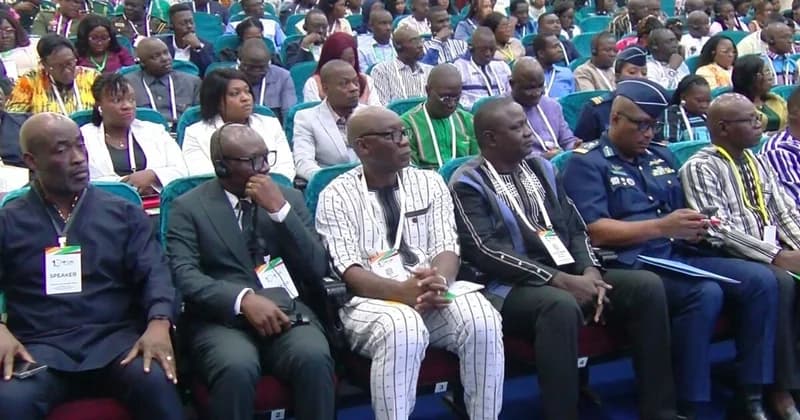
Ghana is intensifying its commitment to human capital development and public sector modernization through new regional partnerships and international exchange programs. At the HR CAFÉ 2026 event, Deputy Chief of Staff Nana Oye Bampoe Addo announced the introduction of new governance guidelines for the digital conduct of public institutions. This initiative, occurring under President John Mahama’s administration, aims to streamline the public sector's digital presence while ensuring ethical standards in the age of rapid technological advancement. The event served as a platform for Ghana and Burkina Faso to deepen their bilateral cooperation, focusing on technical and human resource exchanges to support mutual growth.
Burkina Faso’s Ambassador to Ghana, H.E. David Kabré, highlighted his country’s desire to leverage Ghana’s experience to support Burkina Faso’s industrialization agenda. This collaboration extends beyond traditional administration into the realm of emerging technology. Air Vice Marshal David Anetey Akrong, Commandant of the Kofi Annan International Peacekeeping Training Centre, emphasized the critical need to balance artificial intelligence innovation with ethical considerations. By sharing experiences and technical expertise, both nations aim to transform their public sectors to meet modern demands and enhance institutional effectiveness through a shared regional vision.
Parallel to these regional efforts, the US Embassy in Ghana recently hosted a session for alumni of US Exchange Programmes as part of the celebrations for America’s 250th anniversary. The session focused on the transformative impact of these programs on Ghanaian journalism and leadership. Seasoned journalists and program alumni shared how their international exposure reshaped their professional approaches, emphasizing the importance of accuracy, public service, and the protection of free speech. Participants noted that these programs are vital for strengthening the media landscape and fostering social change within Ghanaian communities, providing a template for professional excellence.
The convergence of these initiatives underscores a growing momentum in Ghana to equip its workforce with both technical skills and global perspectives. While the partnership with Burkina Faso focuses on institutional transformation and regional industrialization, the US exchange programs continue to build the individual leadership capacity necessary for a robust democracy. Moving forward, stakeholders from both sectors have called for increased funding and sustained international cooperation to ensure these educational and professional opportunities remain accessible to more Ghanaians, ultimately driving the nation's long-term socio-economic development.
Related topic
John Mahama: Latest News & Updates →