••
Ghana Statistical Service notes housing deficit fell to 1.8 million units
•2 min read•3 sources
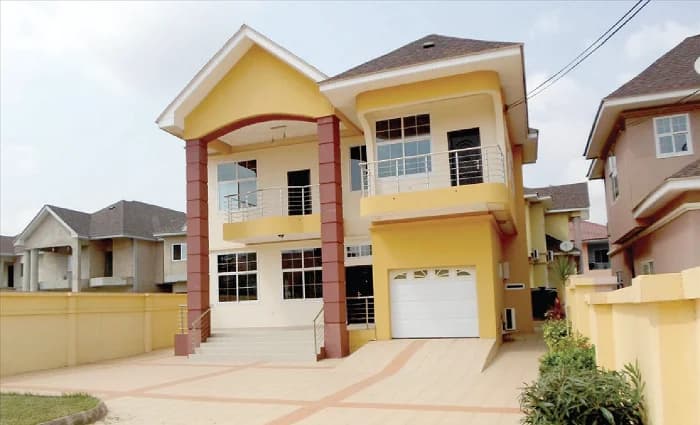
The Ghana Statistical Service (GSS) has announced that the national housing deficit decreased from 2.8 million units in 2010 to approximately 1.8 million units, according to its "Ghana in Numbers, 2025" report released on November 2. While the reduction signals progress in the sector, the report highlights that the demand for housing remains high due to rapid urbanization and a decreasing average household size, which now stands at 3.6 people. Approximately 10 million dwelling units were recorded in the most recent count, yet quality and affordability continue to challenge the market.
The report reveals a significant demographic shift, with Ghana’s urban population reaching 19.8 million people, representing 58.7% of the total population. This concentration of people in cities has strained existing infrastructure, resulting in nearly 30.8% of urban residents living in slums or informal settlements. Since 2010, when Ghana first became more urban than rural, the continuous rise in city dwellers has outpaced the development of formal housing and essential services.
Service gaps remain a critical concern for policymakers. According to the data, one in seven Ghanaian households still lacks access to electricity, while nearly one in three households does not have access to improved sanitation facilities. Although access to drinking water has seen improvements, the GSS emphasizes that the lack of adequate toilet facilities and electricity for millions of citizens highlights a need for targeted public investment and better urban management.
To address these disparities, the GSS and Dr. Alhassan Iddrisu have called for the use of localized, district-level data in government planning. The Service argues that national averages often mask the specific needs of individual communities. By utilizing granular data, local authorities can better identify where infrastructure projects are most needed, ensuring that public investments effectively reduce the number of people living in slums and improve access to essential utilities across the country.