••
Ghana Hotels Association Warns of Sector Crisis as 20% Tax Burden and Utility Failures Squeeze Profitability
•2 min read•2 sources
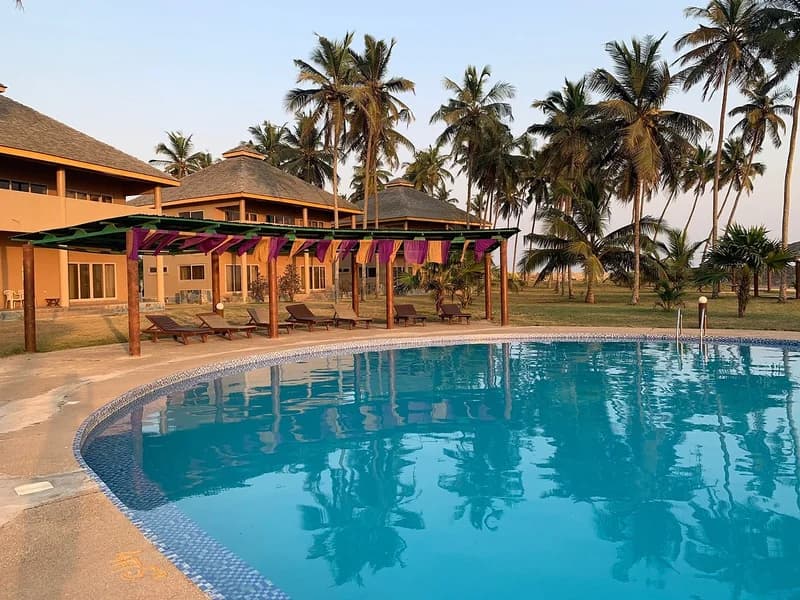
The Ghana Hotels Association (GHA) has raised an alarm over the escalating operational costs threatening the sustainability of the nation’s hospitality sector. According to Victor Minta, President of the Association, hotel operators are currently grappling with a combination of high taxes, soaring utility bills, and significant infrastructure gaps. These challenges are particularly acute as the industry prepares for the festive season, traditionally a period of high activity, yet profitability remains elusive for many businesses across the country.
Financial pressure from taxation has emerged as a primary concern for the association. Minta highlighted that approximately 20% of the revenue generated from room sales is consumed by various taxes, severely limiting the ability of hotels to reinvest in their facilities or lower prices for consumers. This tax burden, coupled with rising utility expenses, has made accommodation increasingly unaffordable for some travelers, potentially stifling the growth of the tourism sector. The association notes that these financial strains are compounded by a significant drop in occupancy rates in certain areas due to ongoing road construction projects that disrupt guest access.
In the Central Region, particularly in Elmina, the situation has reached a critical point due to chronic utility failures. Hotel operators in this historic tourism hub have reportedly endured nearly three months of interrupted water supply, forcing them to rely on expensive private water tankers to maintain essential services. This added expense further erodes profit margins and creates logistical hurdles for staff. Despite these hardships, hotels are attempting to remain resilient by launching aggressive promotional campaigns for the upcoming yuletide. These packages include incentives such as offering a free extra night for guests who book extended stays, aimed at boosting local patronage.
As the industry looks toward the future, the GHA is calling for more robust government intervention and a deeper analysis of tourism statistics to accurately gauge the sector's health. While international arrivals remain lower than desired, domestic tourism has become a vital lifeline, with millions of local guests supporting the industry. Moving forward, the association emphasizes the need for reliable infrastructure and a more favorable tax regime to ensure that Ghana remains a competitive destination and that the hospitality industry can continue to serve as a cornerstone of the national economy.