••
High Domestic Airfares in Ghana Spark Public Outcry as Stakeholders Call for Government Intervention
•2 min read•5 sources
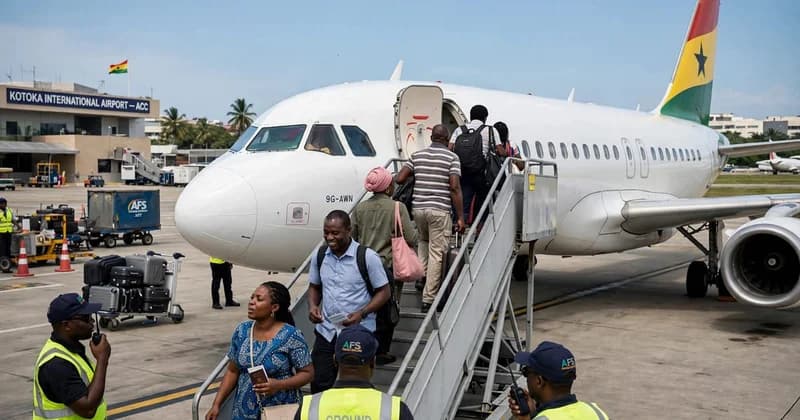
The Ghanaian government is facing mounting pressure to address the exorbitant cost of domestic air travel following a series of reports and public debates highlighting a significant price disparity between Ghana and its regional peers. A recent survey by CUTS International revealed that return economy fares from Accra to Kumasi can range from $275 to $522, while flights to Tamale reach as high as $565. These figures stand in stark contrast to domestic routes in other developing nations, such as Nigeria ($152), Kenya ($166), and India ($133), as well as short-haul flights in Europe where fares can be as low as $52. This pricing gap has rendered air travel nearly inaccessible for the average worker and family, fueling concerns that Ghana’s aviation sector is being constrained by a broader "pricing culture" that affects various sectors of the economy.
Industry experts point to several structural factors driving these high costs, most notably the lack of competition in a market currently dominated by only two main operators: PassionAir and Africa World Airlines (AWA). This limited market density reduces the incentive for price competition. Furthermore, airlines are grappling with heavy operational burdens, including the high cost of Jet A-1 fuel, which accounts for 30% to 35% of total operating expenses. The industry is also highly vulnerable to foreign-exchange fluctuations, as most costs—including aircraft maintenance and spare parts—are denominated in US dollars while revenue is collected in the local currency. High fixed airport infrastructure charges and government-imposed fees further inflate the final ticket price passed on to consumers.
In response to these challenges, stakeholders and consumer protection advocates are urging the government to implement a comprehensive review of the aviation sector’s cost structure. Recommended interventions include reducing airport infrastructure charges, managing fuel costs more effectively, and creating a more attractive environment for low-cost carriers to enter the market. While the government has already introduced some measures, such as tax and duty relief on imported aircraft spare parts, analysts suggest more aggressive policy shifts are needed to foster true competition. Aviation analyst Dr. Dominic Andoh has expressed some optimism, forecasting a potential easing of airfares within the next six months as these operational changes and tax reliefs begin to impact the bottom line for domestic carriers.
