••
Health Ministry Launches National Strategic Plan to Combat Heavy Metal Contamination in Ghana’s Food Supply
•2 min read•1 source
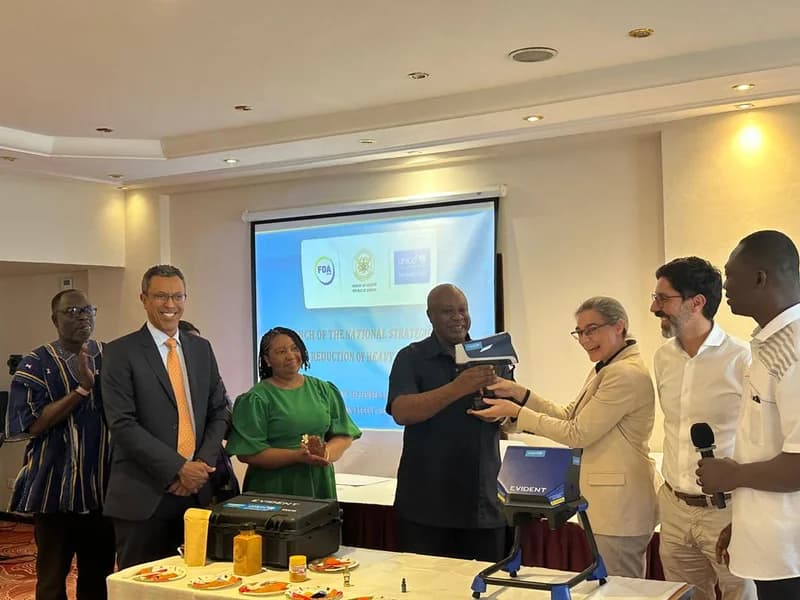
Ghana has officially launched a National Strategic Plan aimed at drastically reducing the presence of toxic heavy metals—specifically lead, cadmium, mercury, and arsenic—in the country's food supply. Introduced by the Deputy Minister of Health, Prof. Dr. Grace Ayensu-Danquah, the policy represents a critical commitment to strengthening national food safety systems and protecting citizens from the long-term health risks associated with chemical exposure. This initiative seeks to transition Ghana's food safety framework from a reactive posture to a proactive, preventive model that monitors the entire supply chain from farm to table to ensure the wellbeing of the population. The urgency of the plan is underscored by alarming data from the Food and Drugs Authority (FDA), which reveals significant contamination levels in everyday staples. Recent laboratory tests found that 29 percent of sampled cereals exceeded safety limits for cadmium, while a staggering 42 percent of turmeric samples contained lead levels above permissible thresholds. Prof. Dr. Ayensu-Danquah emphasized that food safety is not just a health issue but a foundation for national development, noting that environmental and industrial activities have created multiple pathways for these hazardous substances to enter the human diet. UNICEF and other international partners have played a pivotal role in advocating for the strategy, particularly regarding its impact on the youth. UNICEF representatives highlighted lead exposure as a critical child rights and health concern, citing studies that show elevated lead levels in various consumer products which can severely impair childhood cognitive and physical development. To address these vulnerabilities, the strategic plan focuses on enhancing laboratory capacity, improving surveillance mechanisms, and tightening regulatory enforcement to ensure that food products meet international safety standards. Moving forward, the success of the National Strategic Plan will depend on multi-sectoral collaboration and the mobilization of domestic resources. International partners have pledged ongoing support to help Ghana build a robust infrastructure for food monitoring and safety. By fostering cooperation between the FDA, environmental agencies, and the agricultural sector, the government aims to safeguard public health while simultaneously bolstering Ghana’s economic interests by ensuring that locally produced food is safe for both domestic consumption and international export markets.
