••
Public health experts warn of heat stroke risks for outdoor workers
•2 min read•1 source
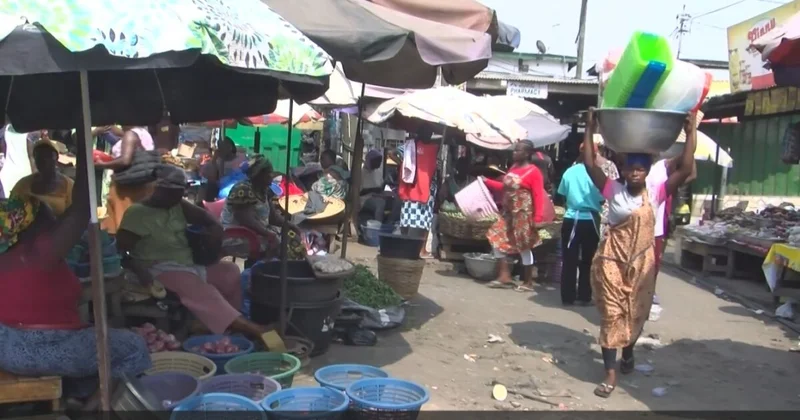
Public health specialists and the Green Africa Youth Organisation (GAYO) are sounding the alarm over the escalating risks of heat stroke and heat-related illnesses among Ghana’s informal outdoor workforce. Market women, porters (kayayei), and street hawkers are particularly vulnerable as they face prolonged exposure to intense sunlight without adequate protection or infrastructure. Experts are calling for urgent interventions, including the establishment of dedicated cooling stations and the provision of protective equipment to safeguard these essential workers during peak temperature hours.
Benjamin Oppong Twumasi, a public health specialist, emphasized that many workers are currently uninformed about the early warning signs of heat stress, which can escalate into life-threatening heat stroke if ignored. He noted that basic precautions, such as maintaining consistent hydration and taking scheduled breaks in shaded areas, are critical but often neglected in the high-pressure environment of the informal sector. For many workers, the lack of infrastructure remains the primary hurdle; they report a total absence of shaded areas at their primary worksites, leaving them with no choice but to remain in the sun throughout the hottest parts of the day to earn a living.
In response to these challenges, GAYO is intensifying its awareness campaigns and engaging with local authorities to advocate for structural changes in urban management. The organization is pushing for the integration of heat-mitigation strategies into local government planning, specifically focusing on creating shaded workspaces and accessible water points. By bridging the gap between public health knowledge and practical workplace safety, advocates hope to reduce the incidence of heat exhaustion and ensure that the health of vulnerable outdoor workers is prioritized as climate conditions evolve.