••
Ghana Healthcare Landscape: Community Outreach and Rural Innovations Contrast with Critical Systemic Failures
•3 min read•4 sources
Ghana's healthcare sector is currently defined by a sharp contrast between proactive community-led initiatives and harrowing systemic failures. While corporate organizations and NGOs are making significant strides in preventive care and rural accessibility, the nation's emergency response infrastructure faces intense scrutiny following reports of equipment failure and tragic outcomes. This dual reality highlights both the potential of local partnerships and the urgent need for a comprehensive audit of the national emergency medical system.
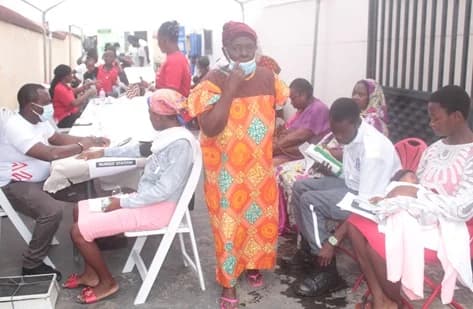
In a major boost for urban preventive health, hundreds of residents in Adabraka and surrounding areas recently benefited from a comprehensive free health screening organized by Graphic Communications Group Ltd (GCGL). The initiative, which marked the company's 76th year in the community, offered general consultations, dental and optical screenings, and blood sugar checks. Managing Director Ato Afful emphasized GCGL's commitment to community service, while health officials noted a rising consciousness among residents regarding regular check-ups. Crucially, the event facilitated the registration of over 100 participants for the National Health Insurance Scheme (NHIS), addressing a vital link in the chain of healthcare affordability.
Simultaneously, innovative logistics are being deployed to bridge the 'last-mile' gap in the Oti Region. World Vision Ghana and Somoco Ghana Limited have partnered to provide specially equipped tricycles to the Ghana Health Service in Agortime. These vehicles are designed to navigate hard-to-reach areas and poor road networks, transporting essential vaccines, maternal health supplies, and diagnostic equipment to Community-based Health Planning and Services (CHPS) compounds. World Vision’s Health Technical Specialist, Awurabena Quayeba Dadzie, noted that the initiative aligns with their five-year strategy to enhance child well-being by ensuring health workers can reach remote households consistently.
However, these advancements are overshadowed by critical gaps in emergency care. A recent investigation into the Ghana Ambulance Service has exposed a 'night of desperation' where a patient with refractory hypoxia died during transfer due to a series of equipment failures, including faulty oxygen tubing and a lack of essential drugs. The report underscores a systemic crisis where ambulance crews may be hesitant to transport patients without clinicians, and improvised medical stabilization becomes a last, often futile, resort. This incident, coupled with a tragic report of a husband collapsing and dying in a labor room at Johns Hopkins Bayview Medical Center while supporting his wife, reinforces the call for mandatory training and rigorous equipment audits across all medical facilities.
As Ghana moves forward, the success of the Adabraka screenings and the Agortime mobile health rollout provides a blueprint for community engagement and rural infrastructure. Yet, the recurring tragedies in emergency settings serve as a somber reminder that innovation in one sector cannot compensate for neglect in another. Addressing the failures within the National Ambulance Service and ensuring hospital safety protocols are modernized will be essential steps for health authorities to regain public trust and ensure that the Ghanaian healthcare system is truly 'emergency-ready.'

