••
West African Health Systems Face Critical Sanitation Gaps as DRC Ebola Outbreak Scales Exponentially
•3 min read•5 sources
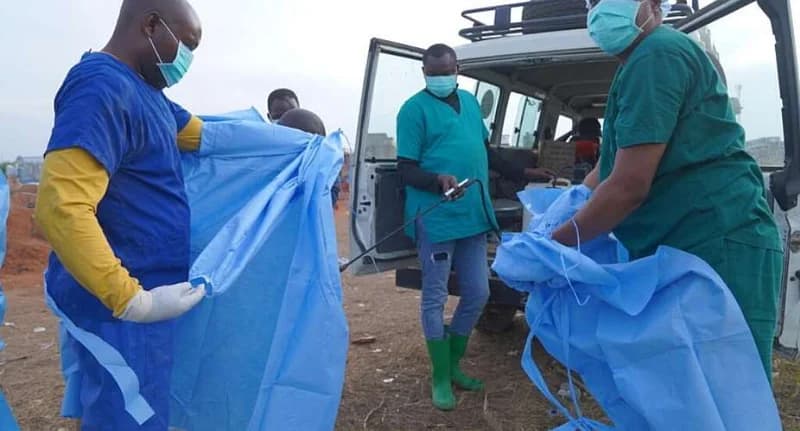
Health systems across West and Central Africa are facing severe strain as a new assessment by the World Health Organization (WHO) and UNICEF reveals critical infrastructure gaps in Ghana and Nigeria, even as the Democratic Republic of Congo (DRC) battles an "exponential" Ebola outbreak. In Ghana, only 16% of health facilities currently meet basic sanitation standards, a figure that trails significantly behind the global average of 40%. Simultaneously, the Ebola crisis in the DRC has claimed over 2,500 lives, with United Nations officials warning that the epidemic is moving faster than response efforts can manage due to weak infrastructure and regional insecurity.
The WHO and UNICEF assessment highlights a systemic failure to provide the basic services necessary for safe and dignified medical care. While 65% of Ghanaian facilities have access to basic water, sanitation and hygiene remain major hurdles, with only 54% meeting hygiene standards. The situation is even more critical in Nigeria, where a staggering 19 out of every 20 health facilities fall short of basic medical waste management standards. In other regional nations such as Burkina Faso and Mali, sanitation coverage is as low as 7%. These deficiencies in waste management and hygiene pose severe risks to both patients and healthcare workers, potentially turning clinics into centers for disease transmission.
In the DRC, the current Ebola outbreak has become the largest in the country's history, spreading rapidly across six provinces. UN Senior Ebola Coordinator Julien Harneis reports that the virus is growing "faster and wider," with half of the total deaths recorded in just the last 20 days. Containment efforts have been severely hindered by ongoing conflict and over 260 recorded attacks on health workers in the past six months. Furthermore, the response is complicated by the Bundibugyo virus strain; while there is no approved treatment yet, the WHO plans to deliver 70,000 doses of the Ervebo vaccine to provide some measure of protection while clinical trials continue.
The convergence of these health crises underscores the urgent need for enhanced international support and systemic domestic investment. Mr. Harneis has emphasized that without a significant influx of funding and specialized staffing, the Ebola epidemic risks spreading to neighboring countries. Likewise, the data from Ghana and Nigeria serves as a call to action for the government, led by President John Mahama, to prioritize health infrastructure. Addressing these sanitation and waste management gaps is essential for West Africa to meet global service standards and ensure the long-term safety and resilience of its healthcare systems.
Related topic
John Mahama: Latest News & Updates →
