••
Ghana Health Ministry Alerts on Rising Hypertension as Global and Local Initiatives Target Cancer Awareness
•2 min read•3 sources
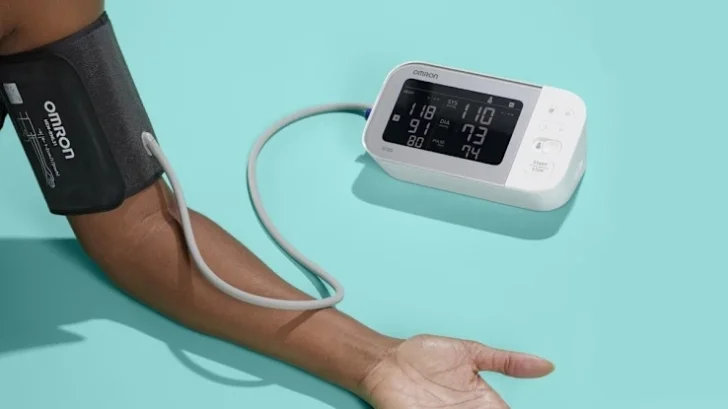
The Ghana Ministry of Health has issued a stark warning regarding the country's growing burden of non-communicable diseases (NCDs), revealing that one in every five Ghanaians is currently battling elevated blood pressure. According to recent data, while hypertension cases saw a marginal decline in 2025, the overall prevalence remains a critical public health concern. Health officials noted that women are disproportionately affected by the condition, which, if poorly managed, significantly increases the risk of life-threatening complications such as strokes and heart disease. During a recent policy dialogue, stakeholders emphasized the urgent need for preventive measures, focusing on the role of nutrition and the impact of low and no-calorie sweeteners on long-term health outcomes.
In response to these gender-specific health challenges, Dorothy’s Hope Foundation (DHF) is extending the advocacy for women’s health to the international stage. The foundation is set to host the "Health is Wealth Forum" in New York on September 24, 2026, coinciding with the 81st United Nations General Assembly. This high-level event aims to strengthen Africa-Diaspora engagement and empower women through leadership and global impact. Following the forum, the foundation will hold the "Brushes of Strength Fundraising Gala" on October 23 to honor breast cancer survivors and mobilize strategic partnerships to improve access to specialized care for women across the continent.
Simultaneously, local health providers are intensifying efforts to address men's health through targeted screening and education. The Medi-Moses Clinic and Prostate Centre has dedicated the month of September to prostate health awareness. Under the theme "Something Exciting Is Coming This September," the clinic is providing free prostate screenings and educational sessions to encourage early detection. This initiative aims to demystify prostate conditions and provide men with the necessary tools and information to take a proactive interest in their urological health, echoing the broader national call for regular medical check-ups.
These combined efforts from government bodies, non-profit organizations, and private clinics underscore a multi-faceted approach to tackling Ghana’s health crisis. As the Ministry of Health advocates for better dietary choices and local health policies tailored to the Ghanaian context, the focus remains on shifting public behavior toward prevention rather than just treatment. Whether through global advocacy in New York or community screenings in local clinics, the overarching goal is to reduce the mortality rates associated with NCDs and cancers through early intervention and sustained public education.
