••
Ghana Launches Major Health Initiatives to Combat Air Pollution and Improve Rural Water Access
•2 min read•2 sources
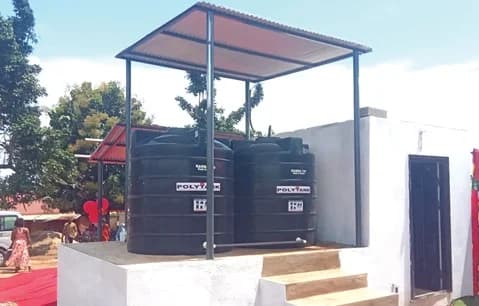
Ghana is taking significant strides toward improving public health outcomes through two major environmental initiatives: a large-scale water purification project in the Ashanti Region and a nationwide air quality awareness campaign. These efforts come at a critical time when environmental factors increasingly impact the wellbeing of citizens across the country. While the water project focuses on closing the infrastructure gap between urban and rural areas, the air pollution campaign seeks to mitigate the rising respiratory health risks caused by poor air quality in metropolitan centers like Accra. In the Ashanti Region, more than 800,000 residents across 269 rural communities are set to benefit from a new climate-smart water purification project. Developed through a strategic partnership between the governments of Ghana and Korea, this initiative addresses the persistent challenge of inadequate safe drinking water in rural settings. The project involves the installation of solar-powered purification systems designed to treat local water sources efficiently. Community leaders and residents have expressed profound gratitude for the initiative, noting that it will significantly improve the quality of life and reduce the prevalence of waterborne diseases in areas where access to clean water has historically lagged behind urban centers. Simultaneously, the Healthy Lungs, Healthy Life campaign has been launched by Infinity 970 and Breathe Cities to tackle the growing threat of air pollution. According to health experts like Dr. Elvis Kyere Gyeabour, air pollution levels in Ghana are currently five times higher than World Health Organization (WHO) recommendations. This campaign aims to reach 10 million people through targeted television and radio broadcasts, focusing specifically on drivers and schools. Dr. Caryn Agyeman Prempeh highlighted the dangers of common practices such as waste burning, which pose severe risks to vulnerable populations. The initiative calls for multi-stakeholder collaboration to find sustainable solutions to the countrys air quality crisis. Both initiatives underscore a growing national focus on environmental health as a pillar of public safety. Stakeholders across both projects emphasize that infrastructure and education must go hand-in-hand; for the water project, regular monitoring and community protection of resources are vital, while the air campaign relies on changing public behavior. As these projects move forward, they represent a dual-track approach to securing a healthier future for Ghanaians by addressing the fundamental elements of clean water and breathable air.