••
GPRTU Rejects Fare Hike Suspension as Transport Minister Pushes for Lower Airfares and Reformed Traffic Enforcement
•3 min read•6 sources
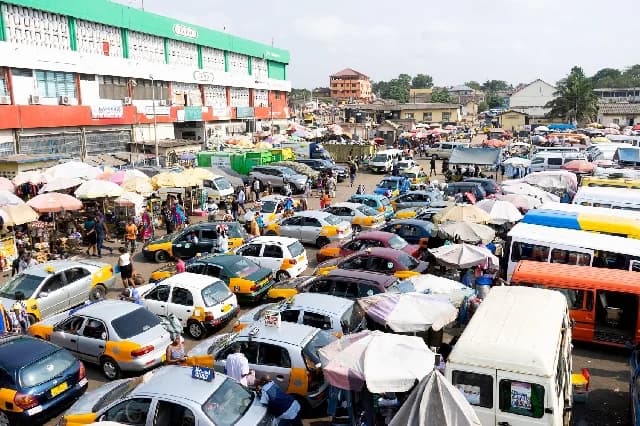
The Ghana Private Road Transport Union (GPRTU) has dismissed reports of a suspension regarding its proposed 30% transport fare increase, contradicting statements previously issued by the National Petroleum Authority (NPA). According to GPRTU Deputy Public Relations Officer Samuel Amoah, recent negotiations with the Ministry of Transport ended without a consensus, leaving the fare hike firmly on the table. The union maintains that rising fuel prices and increased operational costs make an adjustment unavoidable, though they have signaled a willingness to negotiate the final percentage, provided it does not fall below 25%. While other transport groups like the Progressive Transport Owners Association (PROTOA) have initiated industrial action, the GPRTU has instructed its members not to join the sit-down strike as they await a follow-up meeting with the Ministry scheduled for September 22.
Amid these tensions in land transport, the government is simultaneously pushing for a reduction in domestic air travel costs following the implementation of tax reliefs for the aviation sector. Transport Minister Joseph Bukari Nikpe has called on domestic airlines, specifically Africa World Airlines (AWA), to pass on savings from import duty waivers on aircraft spare parts to their passengers. Speaking at the introduction of AWA’s new 102-seater Embraer E190 aircraft, Minister Nikpe emphasized that making air travel more affordable is a priority for the Mahama administration to enhance national connectivity. This move seeks to balance the economic pressures on the broader transport sector by ensuring that government-led duty exemptions translate into tangible benefits for commuters.
The sector is also facing significant challenges regarding the conduct of traffic enforcement, as commercial motorcycle (Okada) riders in Accra allege widespread extortion by officers from the Motor Traffic and Transport Directorate (MTTD). Riders report being forced to pay bribes between GHC 100 and GHC 200 to secure the release of their motorcycles, often without being informed of a specific traffic violation. These allegations of misconduct come at a time of increased scrutiny for the Ghana Police Service, which has recently interdicted seven officers for various forms of misconduct. In response to the outcry, the police have introduced TraffiTech-GH, an automated enforcement system designed to improve transparency and reduce the need for direct physical interactions that often lead to bribery.
As these various transport-related issues converge, the government faces a complex political and economic balancing act. The resolution of the GPRTU fare negotiations will be a critical test for the administration's ability to mitigate the impact of inflation on citizens while ensuring the commercial viability of the transport industry. Furthermore, the successful integration of automated systems like TraffiTech-GH and the fulfillment of airfare reduction promises will be essential to restoring public trust in transport governance and law enforcement. With a high-stakes meeting scheduled for later this week, both transport operators and the general public remain on high alert for a definitive path forward.