••
Ghana Meteorological Agency warns of drought risks from strong El Niño
•2 min read•3 sources
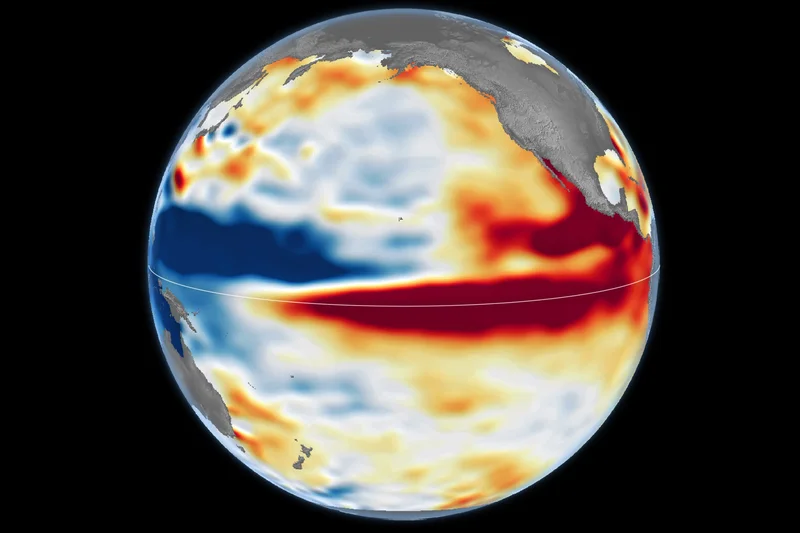
The Ghana Meteorological Agency (GMet) has issued an urgent alert regarding a strong El Niño event expected to significantly impact the country between late 2026 and early 2027. Characterized by unusually warm ocean surface temperatures in the Pacific, the phenomenon is projected to peak between October 2026 and January 2027. This climate shift is anticipated to bring hotter, drier, and dustier conditions, creating substantial challenges for various sectors of the Ghanaian economy and public life.
Forecasters warn that the upcoming dry season will be particularly severe, with increased heat stress and high risks of bushfires across the country. Rainfall patterns are expected to be highly variable, with many regions likely to see below-normal precipitation. Residents in northern Ghana are advised to remain especially vigilant, as these areas often face the most extreme effects of such weather shifts. While the primary concern is drought, GMet also noted that the atmospheric instability caused by El Niño can occasionally lead to localized flooding despite overall drier conditions.
The potential impact on national infrastructure and food security is a major concern for the agency. GMet has highlighted significant risks to hydroelectric power generation, which relies heavily on consistent rainfall to maintain reservoir levels. Agriculture, the backbone of many rural communities, also faces disruptions that could threaten crop yields and water availability. Public health challenges are also expected to rise, driven by higher temperatures and increased dust levels during the Harmattan period.
To mitigate these risks, GMet is advocating for the immediate formation of a National El Niño Preparedness Task Force. The agency emphasizes that localized preparedness measures are essential, as the specific impacts of the weather phenomenon can vary widely across different regions. GMet has committed to continuous monitoring of the situation and will provide regular updates to ensure that stakeholders in the energy, agriculture, and health sectors can implement necessary contingency plans.