••
Ginger traders import from China and Morocco to meet demand
•2 min read•3 sources
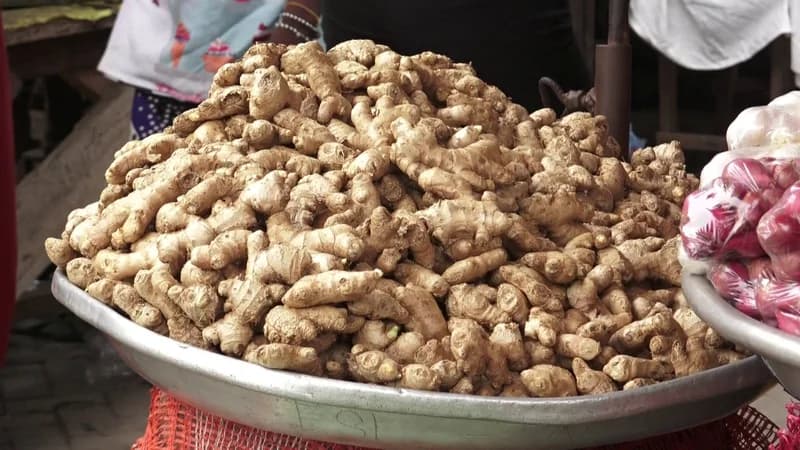
Ghanaian ginger traders have turned to imports from China and Morocco to bridge a significant supply gap in the domestic market. For nearly three years, the country has struggled with a persistent ginger shortage that has pushed prices to between GH₵5,000 and GH₵6,000 per sack. This shift to international sourcing comes as local production remains crippled by previous disease outbreaks and rising demand from the industrial food sector.
Market data and trader accounts indicate that ginger prices previously peaked at GH₵8,000 per sack before settling at the current high rates. Akua Stella, a local trader, noted that while there has been a slight reduction from the peak, the cost remains prohibitive for many consumers. The price hike is attributed to a combination of crop diseases that devastated local farms and intensified competition from buyers in Togo, who often offer higher prices due to currency differences.
The high cost of ginger is having a ripple effect across the economy, with households significantly reducing their purchases while the food manufacturing industry continues to exert pressure on the limited available stock. Despite reports of a remedy for the diseases that affected local farms, production has yet to return to levels seen before the crisis. This has left the market reliant on expensive imported ginger, which traders say is necessary to keep businesses running despite lower sales volumes.
In response to these challenges, traders and stakeholders are calling for urgent government intervention to support local farmers. They emphasize that while imports from China and Morocco are currently filling the void, long-term sustainability depends on boosting domestic production. Strengthening the ginger supply chain through improved farming conditions and financial support is seen as the only way to stabilize prices and reduce the reliance on foreign markets.