••
Ghana Health Service Reports 53,415 Teenage Pregnancies in First Seven Months of 2025; Savannah Region Worst Hit
•2 min read•1 source
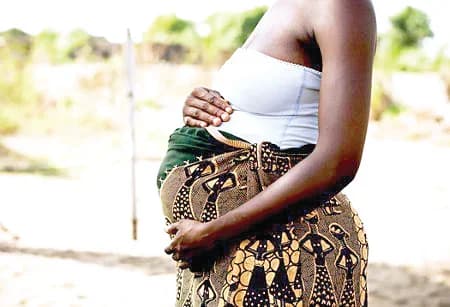
Ghana has recorded a staggering 53,415 adolescent pregnancies within the first seven months of 2025, according to data released by the Ghana Health Service (GHS). This alarming figure was the focal point of a national dialogue organized by MSI Ghana, where stakeholders gathered to address the deepening social and public health crisis. The GHS statistics reveal that the majority of these pregnancies involve girls who are out of school, highlighting a direct correlation between lack of education and the vulnerability of young girls. The high volume of cases in such a short period has sparked urgent calls for systemic interventions to protect the future and educational prospects of the nation's youth.
Regional data highlights significant geographic disparities in pregnancy rates across the country. The Savannah Region recorded the highest prevalence, with nearly 26% of adolescents becoming pregnant, particularly among those aged 18 and 19. In contrast, the Greater Accra Region reported the lowest percentage rate at 6%; however, experts noted that due to its high population density, the region still accounts for a significant number of absolute cases. These variations suggest that local socio-economic conditions and varying access to support systems play a critical role in the frequency of adolescent pregnancies.
The implications of these statistics extend far beyond individual families, threatening Ghana’s long-term socio-economic development. Stakeholders at the national dialogue warned that teenage pregnancy remains a primary driver of school dropouts, which fuels a persistent cycle of poverty and increases the prevalence of child marriages. Beyond social consequences, the health risks are severe; experts pointed to increased incidents of obstetric fistula and other maternal health complications among young mothers. The loss of educational opportunities for over 53,000 girls in just seven months represents a significant blow to the country's human capital.
In response to the crisis, health officials and advocacy groups are calling for a coordinated, multi-sectoral approach to reduce these numbers. Key recommendations include strengthening sexual and reproductive health (SRH) education to dispel common misconceptions and implementing more robust measures to keep girls in the school system. Stakeholders emphasized that education serves as one of the most effective protective measures against early motherhood. Moving forward, the GHS and its partners, including MSI Ghana, intend to intensify community engagement and policy advocacy to ensure better health outcomes and educational continuity for adolescent girls across all regions.
