••
West African Communities Face Mounting Hardships Amid Prolonged Water and Power Infrastructure Failures
•2 min read•2 sources
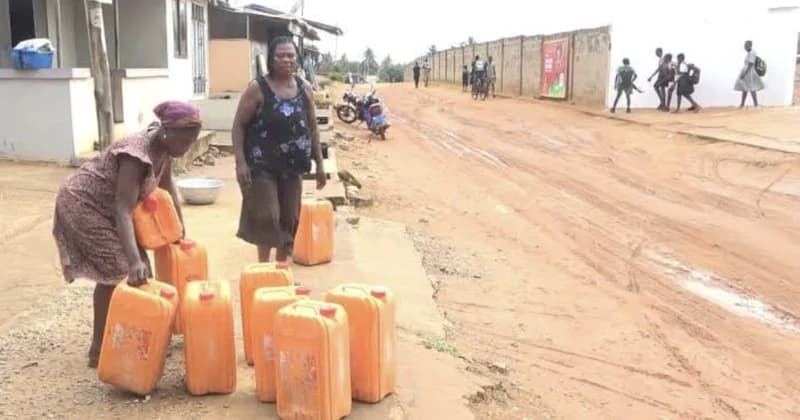
Residents across West Africa are grappling with severe utility crises as infrastructure failures in Ghana and the Gambia disrupt daily life and local economies. In the Ketu South Municipality of Ghana, the community of Agbozume has entered its fourth year of a debilitating water shortage, forcing residents to travel to distant towns to purchase water at significantly high costs. Meanwhile, in the Gambian coastal town of Tanji, a persistent wave of blackouts since June has left local businesses, particularly the vital fishing sector, struggling to survive during the peak heat season.
The situation in Agbozume reached a critical point in mid-2023 when the community’s primary borehole, managed by the Ghana Water Company Limited (GWCL), collapsed following heavy rains and flooding. Despite attempts by the GWCL to drill new boreholes, a reliable water supply has yet to be restored to the area. Local spokesperson Mr. Dan Jerry Sorokpo emphasized that the crisis has not only increased the financial burden on households but has also hindered the operations of schools and health facilities. Residents have now submitted a formal petition to the GWCL, demanding a town hall meeting to address the technical challenges and seek a transparent roadmap for restoring service.
In the Gambia, the energy crisis is hitting the backbone of the coastal economy with similar severity. Fishmongers such as Sirah Darboe-Manneh are facing mounting losses as empty ice boxes—caused by the lack of electricity—render them unable to preserve their daily catch. These blackouts, which have intensified during the hot season, have created a ripple effect through the local market, making it nearly impossible for vendors to maintain product quality and sustain their livelihoods. The intersection of extreme temperatures and an unreliable power supply has turned a traditionally productive season into a period of extreme economic anxiety for many Gambians.
These parallel crises highlight a broader trend of infrastructure fragility that continues to plague the region, impacting public health, education, and food security. In both instances, the affected communities are calling for more than just temporary fixes; they are demanding sustainable management and better communication from state utility providers. As Agbozume residents wait for a response from the GWCL and Gambian business owners navigate the heat without power, the pressure on national governments to prioritize utility resilience remains a central concern for regional development.
