••
US scientists warn of long-term mercury pollution in Pra River
•2 min read•1 source
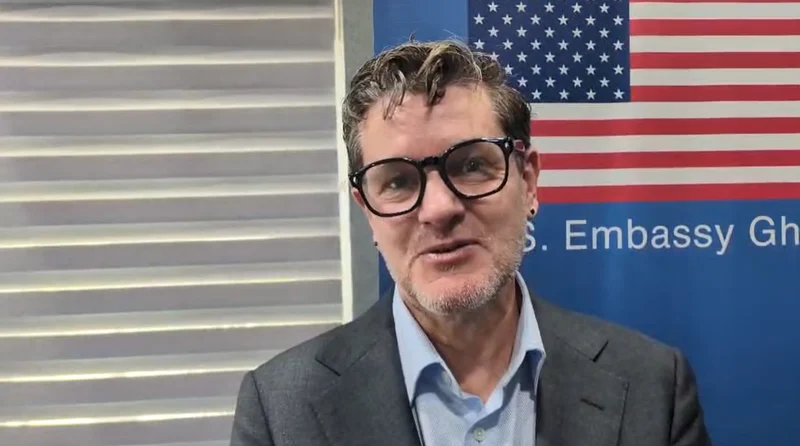
US scientists have cautioned that Ghana faces a significant, multi-generational environmental cleanup task due to mercury pollution from illegal small-scale mining, commonly known as galamsey. During a roundtable discussion at the US Embassy in Accra, environmental experts highlighted that the toxic effects of mercury in the Pra River and surrounding ecosystems could persist for decades if immediate action is not taken. The warning comes as part of a broader program focused on addressing water management challenges across the country.
Dr. Chris Eckley, an environmental scientist with the US Environmental Protection Agency (EPA), provided a historical perspective on the longevity of mercury contamination. He noted that the United States is still actively managing mercury cleanup projects at gold mining sites that date back to the mid-1800s. Dr. Eckley emphasized that early intervention and robust remediation strategies are critical to preventing a similar centuries-long burden in Ghana, where the metal continues to threaten the integrity of waterways, the survival of wildlife, and the health of local populations.
Supporting these concerns, Dr. Grace Armstrong, a chemist from the US Geological Survey (USGS), shared data from a 2024 study conducted along the Pra River. Her research revealed that mercury levels in some Ghanaian communities are now aligned with levels recorded at contaminated industrial sites in the United States. While Dr. Armstrong observed that mercury levels in local consumption sources currently remain within the safety limits established by the US EPA, she warned that the proximity to these contamination thresholds is a call for vigilance and proactive monitoring.
To combat the growing crisis, the experts advocated for enhanced collaboration between Ghanaian research institutions and international environmental agencies. Dr. Armstrong proposed that local laboratories partner with the USGS to analyze environmental samples, which would help harmonize data across the country and improve the overall reliability of environmental monitoring. By building local capacity for scientific analysis, the scientists argued that Ghana would be better equipped to design and implement the data-driven policies necessary to protect its public health and natural heritage from the enduring legacy of illegal mining.
Live rates
Ghana gold price →