••
Medical Experts Warn of Impending Health Crisis as Galamsey and Kidney Disease Burden Rise in Ghana
•2 min read•3 sources
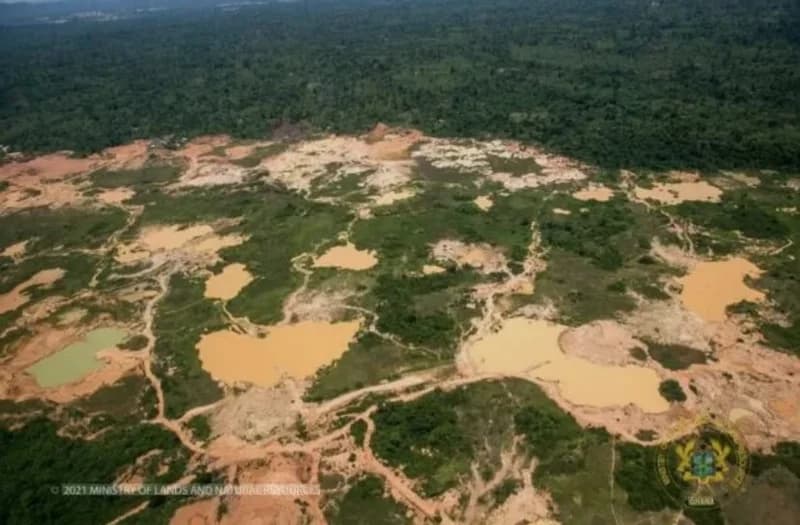
Medical experts have issued a stark warning that Ghana faces a severe public health emergency within the next five years if the pervasive issue of illegal mining, locally known as galamsey, remains unaddressed. This environmental crisis is increasingly linked to a surge in chronic health conditions, particularly kidney disease, which is already placing an immense strain on the nation's healthcare system. Professor Vincent Boima, Head of the Department of Medicine and Therapeutics at the University of Ghana Medical School, describes chronic kidney disease (CKD) as an under-recognised crisis affecting approximately 14% of adults across the African continent.
The health hazards are largely driven by prolonged exposure to toxic chemicals used in illegal mining operations, which contaminate water bodies and soil. Public health expert Dr. Floret Maame Owusu has highlighted that the elderly are at a significantly heightened risk; their naturally declining kidney function makes them more susceptible to pollutants, leading to high blood pressure, neurological issues, and irreversible organ damage. Furthermore, she warns that the symptoms of chemical poisoning in older adults are often mistaken for normal signs of aging, which dangerously delays medical intervention. The threat extends to future generations, with experts predicting a rise in cancers and developmental disorders among children and infants born to mothers exposed to these toxins.
Beyond environmental factors, the current approach to managing kidney health in Ghana requires a fundamental shift. Prof. Boima pointed out a concerning trend: the average age of patients undergoing dialysis in Ghana is just 45 years, striking individuals in their most productive working years. He criticized the heavy reliance on costly dialysis treatments, which are often inaccessible to many, and advocated for the development of kidney transplantation programs. Additionally, he called for the integration of mental health screenings within hypertension and kidney clinics, noting that the psychological toll of chronic illness is frequently overlooked in traditional treatment models.
To avert a national health catastrophe, experts are urging the government to move beyond simple environmental protection and implement robust health monitoring and community support measures. Immediate action is required to curb the pollution of water sources and provide early detection services in affected mining communities. By prioritizing prevention, improving access to transplantation, and addressing the root causes of toxic exposure, Ghana can begin to mitigate a health crisis that threatens both the current workforce and the well-being of future generations.