••
Ghana Atomic Energy Commission Unveils Africa’s Only Nuclear Power Plant Simulator for Specialized Technical Training
•2 min read•1 source
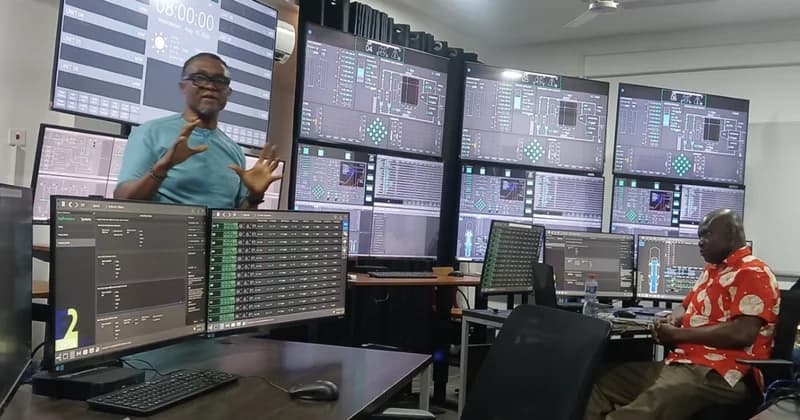
Ghana has achieved a significant milestone in its nuclear energy ambitions with the acquisition of an advanced nuclear power plant simulator, aimed at bolstering specialized education and technical training. Housed at the Ghana Atomic Energy Commission (GAEC), this state-of-the-art facility is designed to provide a risk-free, controlled environment for personnel to master the complexities of nuclear plant operations. As the nation prepares to integrate nuclear power into its national energy mix, the simulator serves as a cornerstone for developing the high-level human resource capacity required to manage such a sophisticated infrastructure safely and efficiently.
According to Mr. George Kofi Appiah, a manager involved with the project, the simulator is a unique asset, being the only one of its kind currently operational in Africa and among only a few worldwide. The system is modeled on Small Modular Reactor (SMR) technology, which is known for its streamlined maintenance and robust safety features, including passive safety measures. This technological choice reflects Ghana’s strategic focus on modern, scalable nuclear solutions. Beyond serving domestic needs, the center has already begun to establish itself as a regional hub for excellence, providing training to participants from neighboring countries such as Nigeria and Kenya.
The primary objective of the new training center is to ensure that Ghana meets stringent international safety standards before the actual deployment of nuclear reactors. By allowing nuclear engineers and technicians to practice both routine procedures and emergency protocols in a simulated environment, the GAEC aims to mitigate potential risks and build public confidence in the program. Mr. Appiah emphasized that the hands-on experience provided by the simulator is essential for bridging the gap between theoretical knowledge and practical operation, ensuring that the future workforce is fully prepared for the responsibilities of safe nuclear energy generation.
This investment in educational infrastructure marks a proactive step in the country's long-term energy strategy. Under the current administration, the focus remains on diversifying the energy sector to ensure sustainable and reliable power for industrialization and development. As Ghana continues to collaborate with international partners and regional neighbors, the successful operation of this simulator positions the country as a leader in nuclear education on the continent. The development of this skilled workforce will be a critical factor in determining the success of Ghana’s transition toward a more resilient and diversified energy future.