••
Ghanaian Fuel Prices Projected to Rise from September 1 Amid Escalating US-Iran Tensions and Global Supply Risks
•3 min read•7 sources
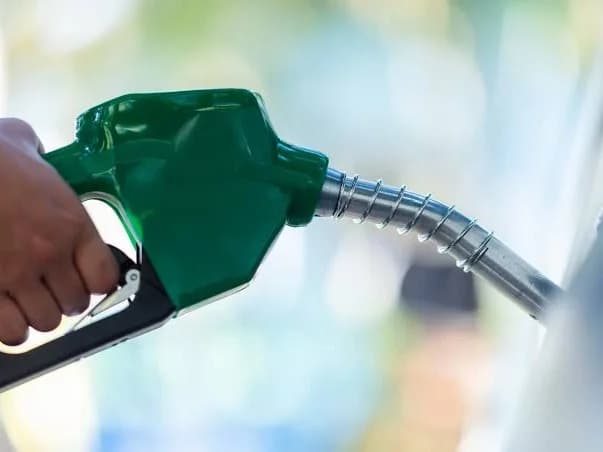
The Chamber of Oil Marketing Companies (COMAC) has announced an anticipated increase in fuel prices across Ghana effective September 1, 2026, driven primarily by rising international crude oil costs. According to the Chamber's latest Outlook Report, petrol prices are projected to rise by approximately 4.80%, reaching an average of GH¢16.39 per litre, while diesel is expected to see a 2.10% increase to GH¢17.60 per litre. Conversely, consumers of Liquefied Petroleum Gas (LPG) may see a slight reprieve, with prices forecasted to decrease by 0.93% to roughly GH¢13.73 per kilogramme. The National Petroleum Authority (NPA) has responded by setting new price floors for the September pricing window, established at GH¢14.53 for petrol and GH¢15.60 for diesel.
The domestic price hike is a direct consequence of a surge in global energy markets, where average crude oil prices rose by 1.75% to US$92.11 per barrel. This volatility is largely attributed to escalating military and diplomatic tensions between the United States and Iran, which have raised significant fears of supply disruptions through the crucial Strait of Hormuz. Recent reports of drone attacks on US forces and oil tankers hitting sea mines have sent Brent crude futures climbing to $91.21 per barrel and West Texas Intermediate (WTI) to $86.28. These geopolitical risks have overshadowed a modest 3.64% appreciation of the Ghanaian cedi, which recently strengthened to GH¢11.3697 against the US dollar but remains insufficient to fully offset the rising costs of refined petroleum imports.
To mitigate the impact on consumers, the Ghanaian government has announced it will extend the GH¢2 per litre reduction in the regulatory margin for diesel into the first half of September. Despite this intervention, individual Oil Marketing Companies (OMCs) have already begun adjusting their pumps. For instance, Star Oil has maintained its petrol price at GH¢14.97 per litre while increasing its diesel price to GH¢16.97. Industry experts note that while some of the nation’s 200 OMCs will implement changes immediately at 6:00 a.m. on September 1, others may delay adjustments to monitor competitive pricing and market share.
The looming fuel price hike has already triggered concerns regarding the broader cost of living, particularly in the transport sector. The Concerned Drivers Association has hinted at a potential 30% increase in transport fares, arguing that drivers can no longer absorb the rising operational costs. As the September pricing window begins, the government and industry stakeholders continue to monitor the Middle East situation closely, as any further escalation in the Strait of Hormuz could lead to more sustained upward pressure on local pump prices and inflation throughout the month.
Live rates
Dollar to cedi rate →