••
Ghana Fuel Prices Set to Rise in September as Government Extends Diesel Relief and Energy Sector Profits Climb
•3 min read•10 sources
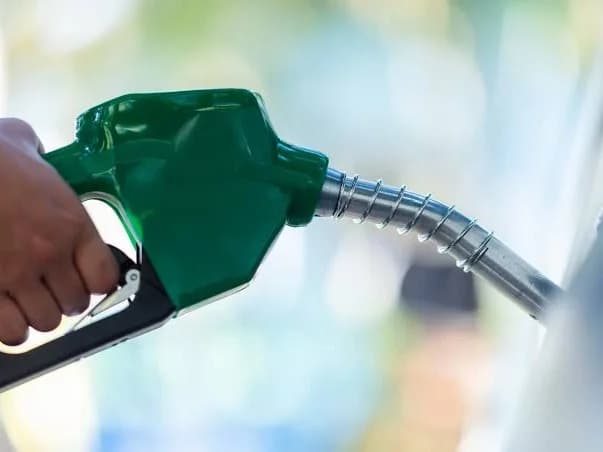
Petroleum consumers in Ghana face a mixed outlook as the Chamber of Oil Marketing Companies (COMAC) and the Chamber of Petroleum Consumers (COPEC) project a rise in pump prices starting September 1, 2026. While petrol is expected to see increases of up to 5% and diesel roughly 2.5%, the government has moved to extend a crucial GH¢2 per litre reduction in the regulatory margin on diesel. This intervention, which was initially introduced in August, aims to prevent diesel prices from spiraling toward GH¢20 per litre. Currently, diesel prices hover around GH¢17 per litre, and the extension into the September pricing window is intended to provide a necessary cushion for motorists and businesses amidst global market volatility.
According to market projections, petrol prices are expected to reach between GH¢16.21 and GH¢16.39 per litre, while diesel is projected to settle around GH¢17.60 per litre. These adjustments come despite a recent strengthening of the Ghana cedi, which appreciated by 3.64% to approximately GH¢11.37 per US dollar. The price hikes are primarily driven by fluctuations in international crude oil prices—which recently reached US$92.11 per barrel—and adjustments in Free-On-Board (FOB) prices for refined products. In response to these trends, the Ghana Private Road Transport Union (GPRTU) has warned of potential fare increases, noting that transport operators are struggling with the cumulative burden of fuel costs alongside rising prices for spare parts, lubricants, and insurance.
Amidst these consumer pressures, the broader energy sector has reported notable financial and operational milestones. GOIL PLC, under the leadership of Group CEO Edward Abambire Bawa, reported a 7.05% increase in net profit for 2025, reaching GH¢90.67 million, even as operating revenue declined by nearly 9%. Similarly, the National Petroleum Authority (NPA) saw its 2025 surplus surge by 76% to GH¢447.19 million, driven by strong internally generated funds and a massive jump in finance income. On the production front, the Tema Oil Refinery (TOR) has successfully processed over 2.4 million barrels of crude oil since its December 2025 operational restart, contributing to the local supply of high-grade petroleum products.
As the first pricing window of September unfolds, the National Petroleum Authority has adjusted price floors to reflect current market realities, setting minimum levels for petrol and diesel at GH¢14.53 and GH¢15.60, respectively. While the government’s extension of the diesel relief provides temporary stability, the transport sector remains on high alert for further fluctuations. Industry observers and consumers alike will be watching closely to see if the combination of increased local refining capacity at TOR and strategic regulatory interventions can sufficiently offset the persistent headwinds from a volatile global energy landscape.
Live rates
Dollar to cedi rate →