••
Fuel Prices Surge as September’s Second Pricing Window Opens, Sparking GPRTU Fare Hike Demands
•3 min read•11 sources
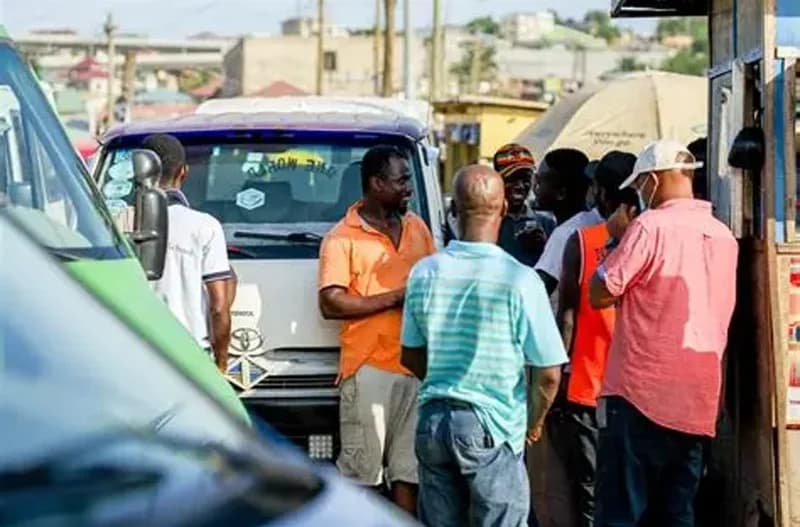
Ghanaian consumers and businesses are bracing for significant economic pressure as fuel prices surge across the country at the start of September’s second pricing window. Oil Marketing Companies (OMCs) have begun adjusting pump prices upward, reflecting the combined impact of rising international petroleum costs and the depreciation of the Ghana cedi. This development has reignited the debate over transport fares, with the Ghana Private Road Transport Union (GPRTU) maintaining its push for a 30% increase to cushion drivers against crippling operational costs. Recent data shows Brent crude trading as high as $108 per barrel, placing additional strain on the domestic market.
According to the Chamber of Oil Marketing Companies (COMAC), petrol prices are projected to rise by as much as 9.63%, while diesel and Liquefied Petroleum Gas (LPG) could see increases of approximately 6.97% and 3.22%, respectively. Market leader Star Oil has already raised petrol prices from GH¢15.17 to GH¢16.77 per litre, with diesel climbing to GH¢17.77. Allied and Shell have followed suit, with Allied’s petrol reaching GH¢16.90 and diesel at GH¢17.90. While state-owned GOIL and TotalEnergies have initially maintained their rates, analysts expect broader adjustments as the National Petroleum Authority (NPA) has raised the price floor for petrol and diesel starting September 16.
The GPRTU has expressed deep concern over the financial strain on commercial drivers, noting that persistent fuel price hikes are making it nearly impossible to meet daily revenue targets or maintain vehicles. Samuel Amoah, the Union’s Deputy PRO, highlighted that many drivers are struggling to support their families as household expenses rise alongside business costs. Consequently, the GPRTU is sticking to its proposed 30% fare hike, despite ongoing negotiations with the Ministry of Transport. A committee report expected later this week will guide further discussions, though drivers argue that the current economic climate has made the existing fare structure unsustainable.
In response to these demands, NPA CEO Godwin Edudzi Tamakloe has challenged transport operators to provide concrete evidence of increased operating costs. He pointed out that government interventions have stabilized the cedi, which should theoretically keep the cost of imported spare parts in check. Conversely, Dr. Patrick Ofori, CEO of the Ghana Chamber of Bulk Oil Distributors (CBOD), acknowledged that while fare adjustments may be justified, the government should avoid fuel subsidies. Dr. Ofori warned that subsidies often favor the wealthy and create long-term debt burdens for taxpayers, advocating instead for investments in public transport and alternative energy.
Looking ahead, the Chamber of Petroleum Consumers (COPEC) warns that the peak of this pricing cycle may still be on the horizon. Executive Director Duncan Amoah noted that seasonal winter demand in the global north and high logistical costs will likely maintain upward pressure on domestic prices. As the second half of September unfolds, the Ghanaian economy remains caught between the volatility of the global energy market and the immediate needs of local consumers. The resolution of the fare dispute between the GPRTU and the government will be a critical indicator of how these inflationary pressures will be distributed across the population.
Live rates
Dollar to cedi rate →
