••
International Oil Surge Driven by US-Iran Conflict Triggers Fuel Price Hikes Across Ghana
•2 min read•4 sources
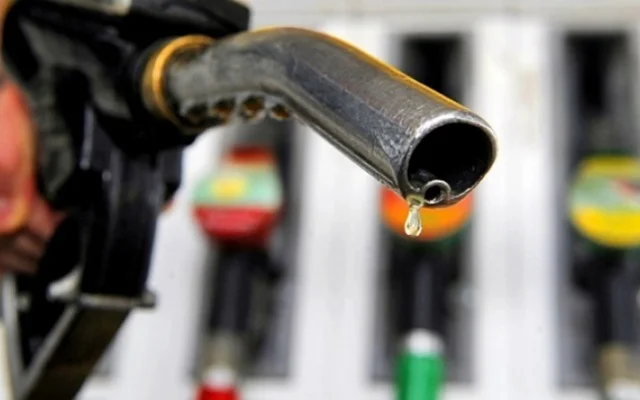
Global oil prices have surged as Brent crude climbed to $95.40 and West Texas Intermediate rose to $90.66, fueled by escalating military tensions between the United States and Iran. Following a series of airstrikes and retaliatory threats, market analysts warn of significant disruptions to supply routes through the critical Strait of Hormuz, a vital global shipping artery. This geopolitical instability, coupled with a 2.6 million-barrel drop in U.S. crude inventories, has forced international markets to price in a risk premium for a potentially prolonged conflict, driving up the cost of refined products globally.
In Ghana, the opening of the September pricing window has seen mixed responses from Oil Marketing Companies (OMCs) as they navigate these international pressures. While market leader GOIL and Shell have chosen to maintain their prices—keeping petrol at GH•15.43 and diesel at GH•17.26 to provide consumer relief—others have implemented upward adjustments. Star Oil increased its diesel price to GH•17.26 and petrol to GH•15.43, while TotalEnergies raised its petrol price to GH•16.18. These shifts occur alongside the National Petroleum Authority (NPA) setting revised price floors of GH•14.53 for petrol and GH•15.60 for diesel.
The price fluctuations have sparked significant concern among residents and commercial drivers in Keta and other parts of the Volta Region. With petrol projected to rise by approximately five percent to roughly GH•16.21 per litre and diesel potentially reaching GH•17.60, local commuters fear a subsequent spike in transport fares. Commercial drivers, such as Raphael Gemegah, noted that household budgets are already strained by the rising costs of spare parts and general living expenses. While the Ghana Private Road Transport Union (GPRTU) is yet to announce formal fare adjustments, the atmosphere remains one of anxiety over the cascading impact on food prices and general household stability.
Economic analysts point out that the recent appreciation of the Ghana cedi against the U.S. dollar has been insufficient to offset the rapid rise in global crude costs. Although the government has extended a GH•2 per litre reduction on diesel to mitigate the burden on consumers, residents are calling for further intervention to stabilize the local economy. As the geopolitical situation in the Middle East remains volatile, Ghanaian consumers face an uncertain outlook regarding energy costs, with the Chamber of Oil Marketing Companies suggesting that further increases may be inevitable if international market conditions do not stabilize.
Live rates
Dollar to cedi rate →