••
Forestry Commission Unveils Smart Eco-Tourism Initiative to Digitalize Ghana’s National Parks
•2 min read•1 source
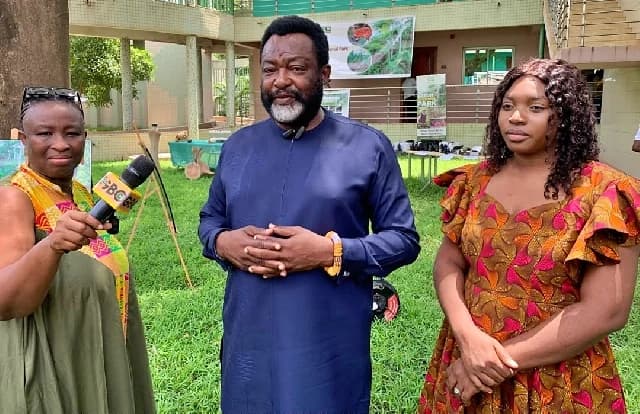
The Forestry Commission of Ghana has officially launched its celebrations for World Tourism Day 2026, centering on a bold vision to integrate Artificial Intelligence (AI) and advanced digital tools into the nation’s protected ecological sites. The four-day event, held at the Commission’s headquarters, adapts the global theme of digital transformation to a localized context: "From Protected Areas to Smart Destinations." This initiative signals a strategic shift in how Ghana intends to manage and promote its natural heritage, seeking to leverage technology to enhance visitor experiences while simultaneously bolstering conservation efforts.
During the opening ceremony, Timothy Ataboadey Awontiirim, the Acting Deputy Chief Executive of the Forestry Commission, underscored the necessity of evolving traditional conservation methods. He outlined plans to transform iconic locations such as Kakum National Park and Mole National Park into digitally-driven "eco-hubs." According to Awontiirim, these upgrades are not merely cosmetic but are designed to streamline operations and provide a more immersive experience for both domestic and international tourists, ensuring that Ghana remains competitive in the global tourism market through modernized infrastructure.
A central feature of the celebration is the Smart Eco-Tourism Hackathon, an initiative where young Ghanaian developers and tech enthusiasts are tasked with creating software solutions for real-world operational challenges within the forestry sector. Alongside this, the Eco-Tourism Innovation Exhibition is showcasing cutting-edge technologies, including virtual reality (VR) tours that allow prospective visitors to preview parks and drone monitoring systems for enhanced surveillance of wildlife and forest boundaries. These tools represent a move toward high-tech stewardship and data-driven management of Ghana's natural resources.
While the focus remains heavily on technological advancement, the Forestry Commission emphasized that digital tools are intended to serve, rather than replace, the natural environment. Awontiirim advocated for a sustainable approach where innovation supports ecological integrity and long-term environmental health. As the four-day event continues, it provides a vital platform for students, media professionals, and tourism partners to engage with these new technologies, setting a precedent for a more connected and technologically resilient tourism sector in Ghana.