••
Ghana Enhances Public Health Strategy with Food Labeling Campaign, Cancer Awareness, and Regional Dialysis Infrastructure
•3 min read•3 sources
Ghana is intensifying its response to the rising burden of non-communicable diseases (NCDs) through a series of multi-sectoral health initiatives aimed at prevention, early detection, and specialized care. With NCDs now accounting for nearly 45% of deaths in the country, the Ministry of Health, in partnership with SEND Ghana and other stakeholders, has launched a mass media campaign to advocate for front-of-package warning labels. This initiative is designed to empower consumers to make informed dietary choices by providing clear warnings about foods high in sugar, salt, and unhealthy fats. Health experts, including Director of Technical Coordination Dr. Hafez Adam Taher and SEND Ghana Country Director Harriet Nuema Agyemang, emphasize that such interventions are critical for protecting children and young people from long-term health risks.
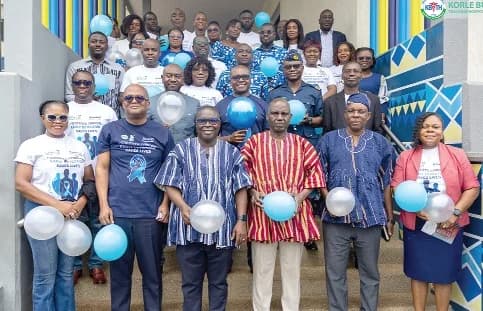
Parallel to these dietary interventions, the private sector and medical community are scaling up efforts to combat cancer. Provident Insurance Limited has joined forces with the Urology and Nephrology Centre of Excellence at Korle Bu Teaching Hospital and the Ghana Association of Urological Surgeons to launch the 2026 Prostate Cancer Awareness Month. Under the theme "Prostate Cancer: Early Detection Saves Lives," the campaign focuses on promoting regular screening and providing support for cancer patients. This initiative also includes a strategic partnership with Lifeline for Childhood Cancer Ghana, reinforcing the commitment to improving survival rates through accessible care and early medical intervention.
In the Bono, Bono East, and Ahafo regions, the healthcare infrastructure is set for a significant boost with the commencement of construction on the COBAANA Medical Centre in Sunyani. Funded by the Council of Bono and Ahafo Associations of North America (COBAANA) at a projected cost of over $1.7 million, the facility aims to address the growing demand for renal care in these regions. The center will provide essential dialysis services closer to residents, reducing the need for long-distance travel to major cities. Beyond clinical care, the project is expected to create jobs for healthcare professionals and serves as a testament to the role of the Ghanaian diaspora in improving local health outcomes.
Together, these developments represent a holistic approach to tackling Ghana’s health challenges by combining government policy, corporate responsibility, and diaspora investment. By focusing on the root causes of lifestyle diseases while simultaneously building the infrastructure needed for chronic care, health stakeholders aim to reduce the national mortality rate and improve the overall quality of life for Ghanaians. The success of these initiatives will depend on sustained public education and the continued collaboration between the public and private sectors.

