••
Ghana Advances Economic Recovery with $2.62bn FDI Surge and Milestone €163m Debt Restructuring Deal
•3 min read•16 sources
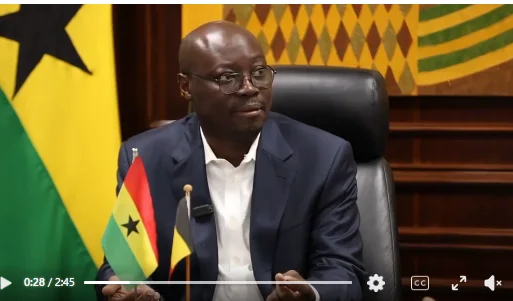
Ghana’s economic landscape has shown significant signs of renewal, with the country attracting US$2.62 billion in Foreign Direct Investment (FDI) throughout 2025. This surge, detailed in the 2025 Annual Investment Report, marks a substantial increase from US$651.7 million in 2024 and coincides with a strategic €163 million debt restructuring agreement finalized with Belgium. Finance Minister Dr. Cassiel Ato Forson emphasized that the deal with Belgium’s export credit agency is a pivotal step in restoring economic confidence. By reducing debt servicing costs—which previously consumed over half of national revenue—the government intends to redirect fiscal resources toward critical public infrastructure, healthcare, and education.
The FDI performance reflects a robust global interest in Ghana's manufacturing sector, which led with 99 projects, while mining services attracted the highest overall investment value. Beyond foreign capital, the report noted a significant rise in local participation, with US$816.05 million in wholly Ghanaian-owned investments helping to drive economic transformation. Dr. Ishmael Yamson, economist and Chairman of MTN Ghana, has commended the Mahama administration’s focus on building long-term resilience rather than relying on short-term fixes. Dr. Yamson highlighted the "Gold for Reserves" program and strategic agricultural investments as essential tools for stabilizing the economy, though he cautioned that the government must demonstrate this stability can last for at least a decade to secure serious, long-term international investors.
Despite the current optimism, recent academic assessments underscore the structural vulnerabilities that Ghana must continue to address. Dr. Maxwell Opoku-Afari, former First Deputy Governor of the Bank of Ghana, argued in a recent study that Ghana’s high GDP growth between 2010 and 2019 often masked a decline in total factor productivity. His analysis suggests that previous IMF-World Bank debt sustainability assessments underestimated domestic risks, which contributed to the 2022 debt distress. To prevent a recurrence, Finance Minister Ato Forson has signaled plans to enshrine strict fiscal discipline measures into law, ensuring that future borrowing is strictly directed toward productive infrastructure rather than recurrent expenditure.
Looking ahead, the government is implementing institutional reforms designed to reduce dependence on the central bank. Sammy Gyamfi, CEO of the Ghana Gold Board (GoldBod), recently announced a transition to a self-financing model under the GoldBod Act, empowering the institution to raise funds directly from financial markets for gold purchasing. With a projected FDI increase to US$2.80 billion in 2026 and a pipeline of projects worth over US$11 billion, the administration’s primary challenge remains converting these macroeconomic gains into sustained productivity growth to ensure this economic recovery has a lasting, diversified foundation.
Live rates
Ghana gold price →
