••
Food and Drugs Authority targets WHO Listed Authority status by 2030
•2 min read•2 sources
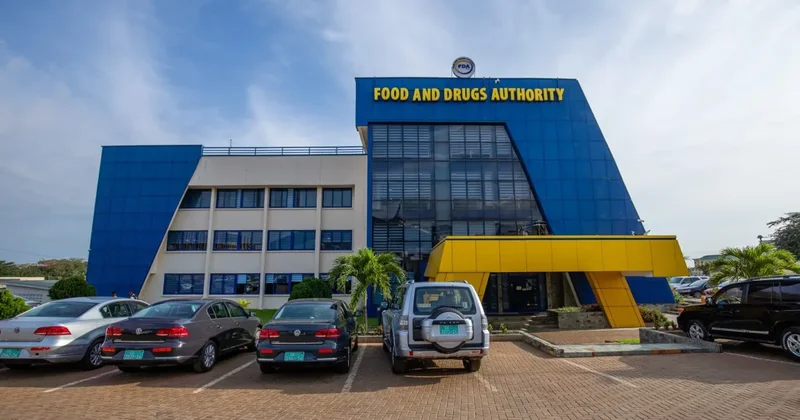
The Food and Drugs Authority (FDA) of Ghana has announced an ambitious goal to achieve World Health Organisation (WHO) Listed Authority status by the year 2030. This objective was unveiled during the authority's 30th anniversary celebrations in Accra, where officials highlighted the progress made in elevating Ghana's health regulatory standards to global benchmarks. CEO Professor Kwabena Frimpong-Manso Opuni stated that the FDA has already reached WHO Maturity Level Four in several key regulatory areas, laying the foundation for this next tier of international recognition.
To achieve this milestone, the FDA is launching a new strategic plan spanning 2026 to 2030. This roadmap focuses on enhancing regulatory frameworks to address the evolving complexities of modern medicine and biotechnology. A significant portion of the strategy involves the implementation of digital regulation tools and the promotion of local pharmaceutical production, which the authority views as essential for ensuring national health security and improving the speed of product verification.
The Ghanaian government has reaffirmed its support for the authority's mission, specifically emphasizing the importance of technical independence. Speaking at the anniversary event, Desmond Boateng, Chief Director of the Ministry of Health, assured the FDA that its regulatory decisions would remain based on scientific evidence and public safety rather than external influence. He noted that maintaining such independence is crucial for the authority to fulfill its mandate and sustain the trust of both the public and international health partners.
Despite these advancements, officials addressed the persistent threat posed by illicit and substandard products in the Ghanaian market. The Ministry of Health called for intensified market surveillance and more robust controls at points of entry to protect consumers. In response, the FDA plans to expand its laboratory testing capabilities and adopt modern tracking systems to better identify and remove falsified products from the supply chain, ensuring that only safe and certified goods reach the public.