••
Ghana FDA Cracks Down on Falsified Drugs as Health Workers Warn of Systemic Crises and Inequality
•3 min read•5 sources
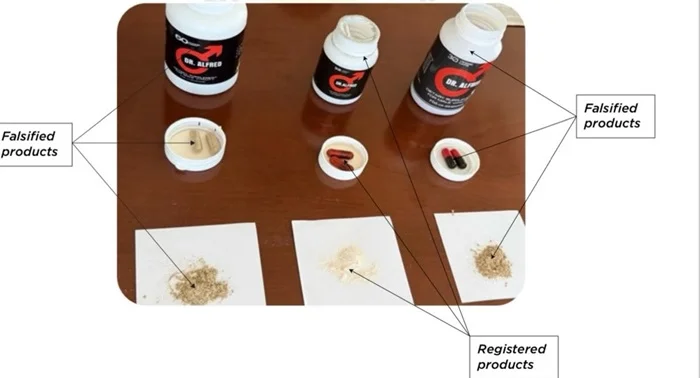
The Food and Drugs Authority (FDA) of Ghana has intensified its enforcement against illegal pharmaceutical activities, leading to the arrest of two individuals involved in a syndicate manufacturing and distributing falsified 'Dr Alfred Capsules.' These products, marketed on social media for male vitality, were found to be adulterated with Sildenafil citrate, a prescription-only medication not listed on the label. Discovered through operations in Accra and Suhum, the FDA warned that these falsified versions lack safety seals and pose severe public health risks. This domestic crackdown aligns with regional efforts to secure pharmaceutical supply chains, as neighboring Togo recently established an autonomous national agency to regulate health products and combat counterfeit medicines, which are estimated to cause over 100,000 deaths annually across Africa.
Simultaneously, Ghana’s internal healthcare delivery is under significant strain due to labor disputes and allegations of ethical lapses. The Health Services Workers’ Union (HSWU) has raised an alarm over critical staff shortages in public facilities, noting that the absence of adequate support staff is undermining operational capacity and stressing existing workers. The union further criticized the government’s failure to pay the '13th-month salary' agreed upon in their collective bargaining agreement. These administrative failures are compounded by reports from Korle Bu Teaching Hospital, where 'intramural services' have come under fire. Allegations suggest that patients with financial means are paying additional fees to secure faster access to specialist care, effectively creating a two-tier system that neglects those without resources.
Environmental health issues are also reaching the courts, as local authorities move to protect residential well-being. The Kwadaso Municipal Assembly has initiated legal proceedings against a poultry farmer in Atwima-Techiman following persistent complaints from residents regarding offensive odors and noise pollution. Despite attempts by the Environmental Health and Sanitation Unit to educate the farmer on proper sanitation practices, his continued non-compliance led to an escalation at the Twedie Court. The Assembly has reaffirmed its commitment to enforcing environmental bye-laws, with a final judgment on the public nuisance case expected by the end of the month.
These combined developments highlight a complex landscape for the health sector under the current administration. While regulatory bodies like the FDA and municipal assemblies are taking active steps to prosecute offenders and protect consumers, systemic issues regarding labor conditions and equitable access to care at major institutions like Korle Bu remain unresolved. Moving forward, the government faces the dual challenge of strengthening pharmaceutical oversight and addressing the underlying grievances of health workers to ensure a resilient and fair national healthcare system.