••
Environmental Protection Authority sets January 2027 for styrofoam ban
•2 min read•1 source
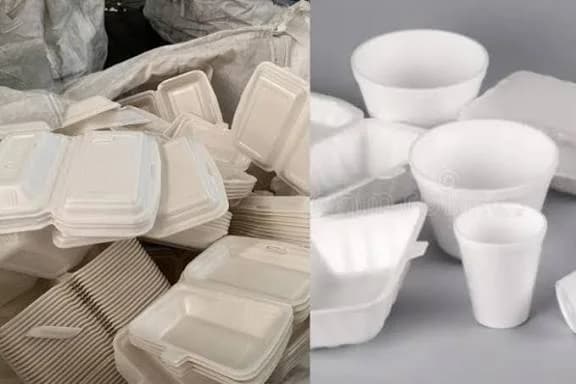
The Environmental Protection Authority (EPA) has officially announced a nationwide ban on the use of polystyrene and styrofoam products, scheduled to take effect on January 1, 2027. Dr. Frederick Ofori-Nuako, the Deputy Director of Environmental Education at the EPA, confirmed the timeline during a public broadcast. The three-year lead time is intended to allow businesses, traders, and consumers to adjust their practices and transition toward more sustainable packaging alternatives.
To support this transition, the EPA has launched an extensive educational campaign across the five regions of Northern Ghana. Running from October 25 to October 30, the initiative focuses on sensitizing vendors and the general public about the upcoming regulations. A central feature of this outreach includes community engagement efforts and a grand durbar in Tamale, designed to bring together local stakeholders to discuss the environmental and health implications of continued styrofoam use.
Dr. Ofori-Nuako highlighted significant health risks associated with styrofoam, particularly when it is used to package hot food, as chemicals can leach into the meals. From an environmental perspective, the material is notorious for being non-biodegradable, frequently clogging drainage systems and contributing to urban flooding. As a remedy, the EPA is actively promoting the adoption of biodegradable alternatives, including paper-based packaging and traditional options like plantain leaves.
The phased approach to the ban reflects the authority's strategy to reduce plastic pollution without causing immediate economic disruption. By engaging directly with traders and providing a clear 2027 deadline, the EPA aims to foster a culture of environmental responsibility while giving the private sector sufficient time to source and implement eco-friendly packaging solutions across the country.