••
Environmental Protection Authority Sets $22.6 Billion Funding Target for Ghana’s 2030 Climate Action Goals
•2 min read•1 source
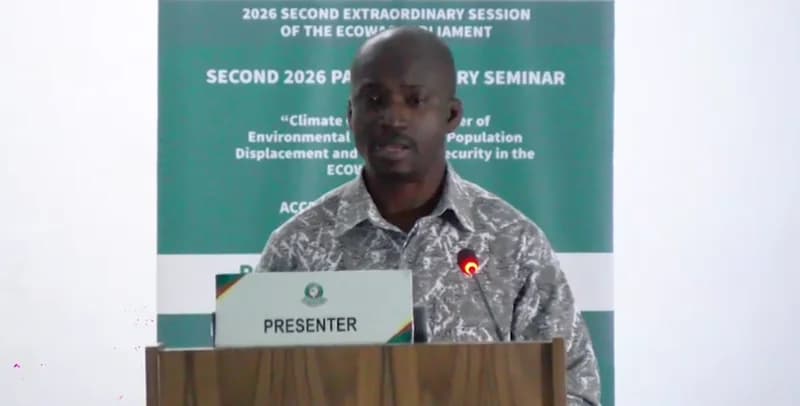
Ghana's Environmental Protection Authority (EPA) has revealed that the country requires a staggering $22.6 billion to successfully implement its climate action plans by the year 2030. This announcement, made during the 2026 Second Extraordinary Session of the ECOWAS Parliament held in Accra, underscores the immense financial challenge facing the nation as it seeks to mitigate the impacts of global warming. The EPA’s disclosure highlights the critical intersection between environmental sustainability and national economic planning under the current administration of President John Mahama, stressing that significant capital is needed to safeguard the country's future.
Presenting the figures to regional lawmakers, Dr. Derek Sarfo-Yiadom, a Senior Programme Officer at the EPA’s Climate Change and Ozone Directorate, emphasized that the funding is necessary to move from policy to practice. He argued that the urgency of the climate crisis demands immediate, practical interventions to protect vulnerable communities across Ghana. A cornerstone of the proposed strategy involves a meticulous assessment of climate vulnerabilities. By identifying specific areas at risk, the government aims to deploy resources more effectively, ensuring that the multibillion-dollar investment yields maximum protection for the populace and the environment.
The EPA’s blueprint for climate resilience focuses on several foundational measures, including the establishment of sophisticated early warning systems to alert citizens of impending disasters. Beyond technological solutions, the plan prioritizes the construction of resilient infrastructure capable of withstanding extreme weather events. Furthermore, Dr. Sarfo-Yiadom highlighted the importance of safeguarding rural livelihoods, which are often the hardest hit by shifting weather patterns. Proposed interventions in the agricultural sector include promoting crop diversity and improving soil water management techniques to ensure food security in the face of prolonged droughts or erratic rainfall.
As the 2030 deadline approaches, the call for significant financial mobilization at the ECOWAS Parliament serves as a signal to both domestic stakeholders and international partners. Ghana's commitment to climate action is viewed as a regional necessity, as environmental challenges across West Africa are deeply interconnected. The successful acquisition and management of these funds will be a defining test for the government's environmental legacy, requiring robust cooperation between the EPA, the Ministry of Finance, and global climate funds to secure a sustainable and resilient future for the nation.
Related topic
John Mahama: Latest News & Updates →Live rates
Dollar to cedi rate →

