••
Energy Ministry Outlines $500 Billion Roadmap for Ghana's Net-Zero Transition by 2070
•2 min read•1 source
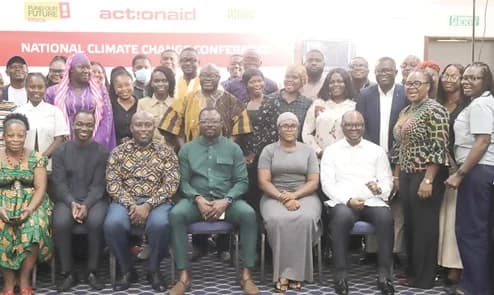
The Ghanaian government has identified a massive financial requirement of approximately $500 billion to transition the nation to a net-zero economy by 2070. Speaking at a national climate change conference in Accra, Seth Mahu, Technical Advisor to the Minister of Energy and Green Transition, underscored that achieving this ambitious target will require unprecedented cooperation between the state, financial institutions, the private sector, and civil society. The transition is framed not just as an environmental necessity but as a comprehensive shift in the nation's economic and infrastructural landscape.
The roadmap for this transition sets specific benchmarks for renewable energy integration to modernize the national power grid. Currently, Ghana’s renewable energy capacity stands at 342.5 MW, representing roughly 6% of the national energy mix. The government aims to increase this capacity to 10% by 2030, with a long-term goal of reaching 20% by 2070. Mr. Mahu emphasized that the shift must extend beyond power generation to include critical sectors such as transportation, agriculture, and water management. To ensure success, he advocated for equitable policies that distribute the benefits and burdens of the green transition fairly across the population.
The call for a unified approach was echoed by experts from the energy and non-profit sectors during the conference, which was organized by ActionAid Ghana. Dr. Charles Ofori from the Africa Centre for Energy Policy (ACEP) highlighted the necessity of an economy-wide strategy, arguing that the transition cannot be isolated to the energy sector alone. Similarly, John Nkaw of ActionAid Ghana stressed the urgency of securing sustainable funding and establishing clear policy recommendations to guide the process. These stakeholders agree that while the $500 billion price tag is steep, the potential for new "green" economic opportunities makes the investment essential for Ghana's long-term stability.
As Ghana moves forward with its Energy Transition and Investment Plan, the primary challenge remains bridging the significant funding gap through international and domestic partnerships. The success of this 2070 vision will ultimately depend on the nation's ability to attract international climate finance and private investment while maintaining a policy environment that encourages innovation. Moving forward, the government intends to refine its roadmap to ensure that the transition supports sustainable development goals without compromising the country's economic growth.


