••
New energy framework identifies power as backbone for economic growth
•2 min read•1 source
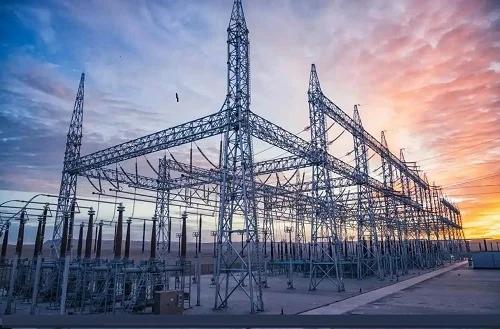
A new framework has identified energy as the essential backbone for Ghana’s economic growth, linking reliable power directly to progress in industrialisation, agriculture, and digital transformation. The analysis suggests that a stable energy framework is fundamental for the modern economy, underpinning every major sector. As Ghana continues to invest in its infrastructure, the report argues that energy policy must be strategically aligned with these key sectors to ensure a sustainable and prosperous future.
In the manufacturing sector, the availability of reliable and affordable energy is cited as a critical factor in maintaining global competitiveness. The analysis points out that frequent power outages and high electricity costs significantly increase operational expenses for manufacturers, often leading to higher prices for consumers. Similarly, the agricultural sector relies on energy to enable cold storage and advanced processing techniques. Strengthening energy infrastructure in these areas is considered vital for reducing post-harvest losses and enhancing the value chain for Ghanaian produce.
The framework also highlights the profound social impact of energy access, particularly within the healthcare and education sectors. In healthcare settings, uninterrupted electricity is described as a life-saving necessity required for the operation of medical equipment and the maintenance of essential cold chains for medicines and vaccines. In education, access to power is seen as a key driver for closing learning gaps, as it enables the use of digital tools and provides the lighting necessary for extended study hours in both urban and rural environments.
To secure the nation's future, the report concludes that sustainable energy investment cannot exist in a vacuum but must be integrated with broader sectoral policies. This holistic approach is intended to expand Ghana’s economic footprint while simultaneously managing its environmental impact. By linking energy policy to industrial and social goals, the country aims to create a resilient economic foundation capable of supporting long-term growth and improving the quality of life for all citizens.

