••
Energy Commission Certifies 884 New Electrical Professionals to Support Ghana’s EV and Solar Expansion
•2 min read•1 source
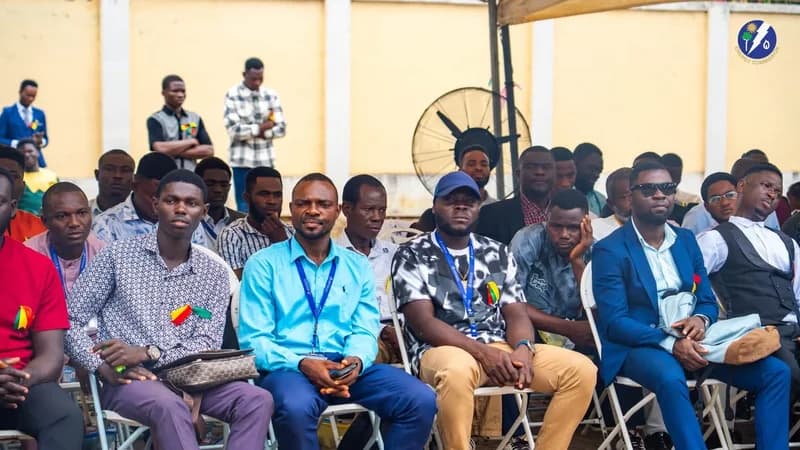
The Energy Commission of Ghana has officially certified 884 new electrical wiring professionals following the May/June 2026 examination cycle, marking a significant expansion of the country's technical workforce. This latest cohort brings the total number of certified practitioners in Ghana to 19,442. The certification comes at a pivotal moment as the nation transitions toward more sustainable energy solutions, focusing heavily on the integration of solar power and the burgeoning electric vehicle (EV) market. The initiative is designed to strengthen the nation's capacity to handle modern electrical demands while ensuring public safety through professional standardization.
During the 25th Electrical Wiring Certification and Awards Ceremony held in Accra, Acting Executive Secretary Adwoa Serwaa Bondzie detailed the Commission's forward-looking strategies. A primary highlight was the announcement of a new national platform designed to track and monitor electric vehicle charging stations across the country. This digital infrastructure is intended to provide critical data for national energy planning, allowing authorities to assess and mitigate the potential impact of high-demand EV charging on the national grid. Industry experts present at the event underscored that as electric mobility becomes more prevalent, the need for a highly skilled, certified workforce to manage and maintain this infrastructure is paramount for grid stability.
In addition to the certification of new professionals, the Commission launched a revised Electrical Wiring Code. This update is specifically tailored to address the evolving technological landscape, incorporating rigorous standards for solar energy installations and electric vehicle charging systems. The revised code aims to enhance safety and ensure strict compliance as domestic and commercial energy users increasingly adopt renewable technologies. The ceremony, themed "Setting the Standard: Powering Ghana’s Future – EV, Solar and Beyond," served as a call to action for the newly certified professionals to uphold the highest standards of ethics and professionalism in their work.
The certification of these nearly 900 professionals reflects a broader national strategy to formalize the energy sector and reduce the risks associated with substandard electrical work, which has historically been a source of domestic fire outbreaks. By aligning professional training with the rise of green technologies, the Energy Commission is positioning Ghana’s workforce to lead the West African sub-region in the transition to a modern, diversified energy economy. As the demand for clean energy and efficient transport grows, these certified professionals will play a crucial role in ensuring the reliability and safety of the national infrastructure.
